How to Choose a Limo or Car Service Near Me (DMV Guide)
Choosing a limo service near me comes down to five things: valid licensing and commercial insurance, vehicle age and condition, transparent all-in pricing with no hidden fees, detailed reviews that name real events, and a clear, responsive booking process. In the Washington, D.C., Maryland, and Northern Virginia area, the difference between a reliable operator and a risky one usually shows up in those five areas before you ever get in the car. This guide walks through each criterion, the red flags to avoid, and how to match the right vehicle to your event — whether it's an airport transfer, a wedding, or a night out.
- Licensing & insurance — a legitimate operator carries commercial liability insurance and proper state/local livery authority; ask for proof.
- Vehicle age & condition — newer, well-maintained vehicles break down less; ask the model year of the exact car you're booking.
- Transparent pricing — get an all-in quote covering gratuity, fuel surcharge, and tolls, not a teaser hourly rate.
- Real reviews — look for detailed reviews naming specific events and areas, not just a pile of five-star ratings.
- Responsive booking — a real operator answers quickly, confirms details in writing, and provides a contract.
- Right vehicle for the job — sedan, SUV, limo, party bus, or shuttle each fit different group sizes and occasions.
- Chauffeur professionalism — licensed, background-checked, uniformed chauffeurs, not gig drivers.
reliable from risky
— confirm it's included
by established operators
served the DMV
What Should You Look for in a Limo Service Near Me?
The most important factor in choosing a limo service near me is verifiable licensing and commercial insurance, because it's the one thing that protects you if something goes wrong. Any legitimate operator in the DMV should be able to show proof of commercial liability insurance and the proper livery authority to operate in D.C., Maryland, and Virginia. If a company hesitates or can't produce it, that's the single biggest red flag — it often means an uninsured driver in a personal vehicle rather than a real commercial service.
Beyond insurance, the operators worth booking share a few traits: they own and maintain their fleet rather than subcontracting your ride to whoever's available, they employ licensed and background-checked chauffeurs, and they put every detail — pickup time, vehicle, total price — in a written confirmation or contract. These are the markers that separate a professional car service near me from a rideshare-style operation dressed up with a nicer website.
How Much Does a Limo or Car Service Cost in the DMV?
Limo and car service pricing in the DC, Maryland, and Virginia area varies by vehicle type, trip length, and time of day — but the key is getting an all-in quote rather than a teaser rate. A point-to-point airport sedan transfer is typically priced as a flat rate; hourly service (for weddings, events, or a night out) is usually booked with a minimum number of hours. What matters most is what's included in the number you're quoted.
Ask specifically whether the quote includes gratuity (often 18–20%), fuel surcharges, tolls, and any wait-time fees. A low hourly rate that balloons at checkout with add-ons is a common tactic — a transparent operator gives you the real total up front. For a genuine comparison between two companies, make sure you're comparing all-in totals, not one company's base rate against another's final price.
| Service Type | Typical Pricing Model | What to Confirm |
|---|---|---|
| Airport transfer (sedan/SUV) | Flat point-to-point rate | Flight tracking, meet-and-greet, wait time policy |
| Hourly (wedding, events, night out) | Hourly with minimum hours | Number of hours, overtime rate, gratuity |
| Party bus | Hourly with minimum | Capacity, amenities, cleaning fee |
| Wedding shuttle | Hourly or package | Number of runs, guest capacity, timing |
Which Vehicle Should You Choose for Your Event?
The right vehicle depends on your group size and occasion — a sedan for solo or airport trips, an SUV for small groups with luggage, a limo or party bus for celebrations, and a shuttle for moving wedding or event guests. Matching the vehicle to the job is the difference between a comfortable trip and a cramped or overpriced one.
| Vehicle | Capacity | Best For |
|---|---|---|
| Sedan | 1–3 passengers | Airport transfers, corporate travel, solo executive |
| SUV | Up to ~6 | Small groups with luggage, premium airport run |
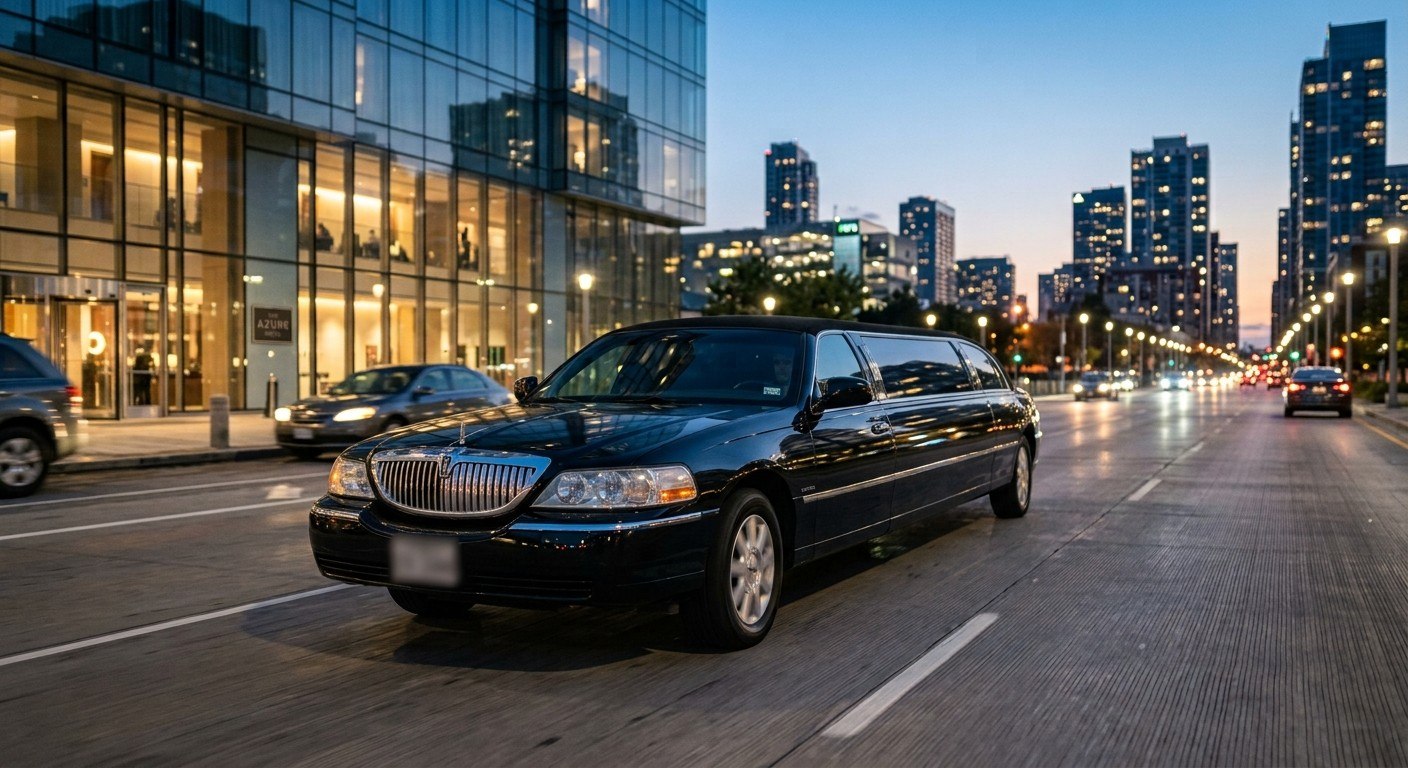
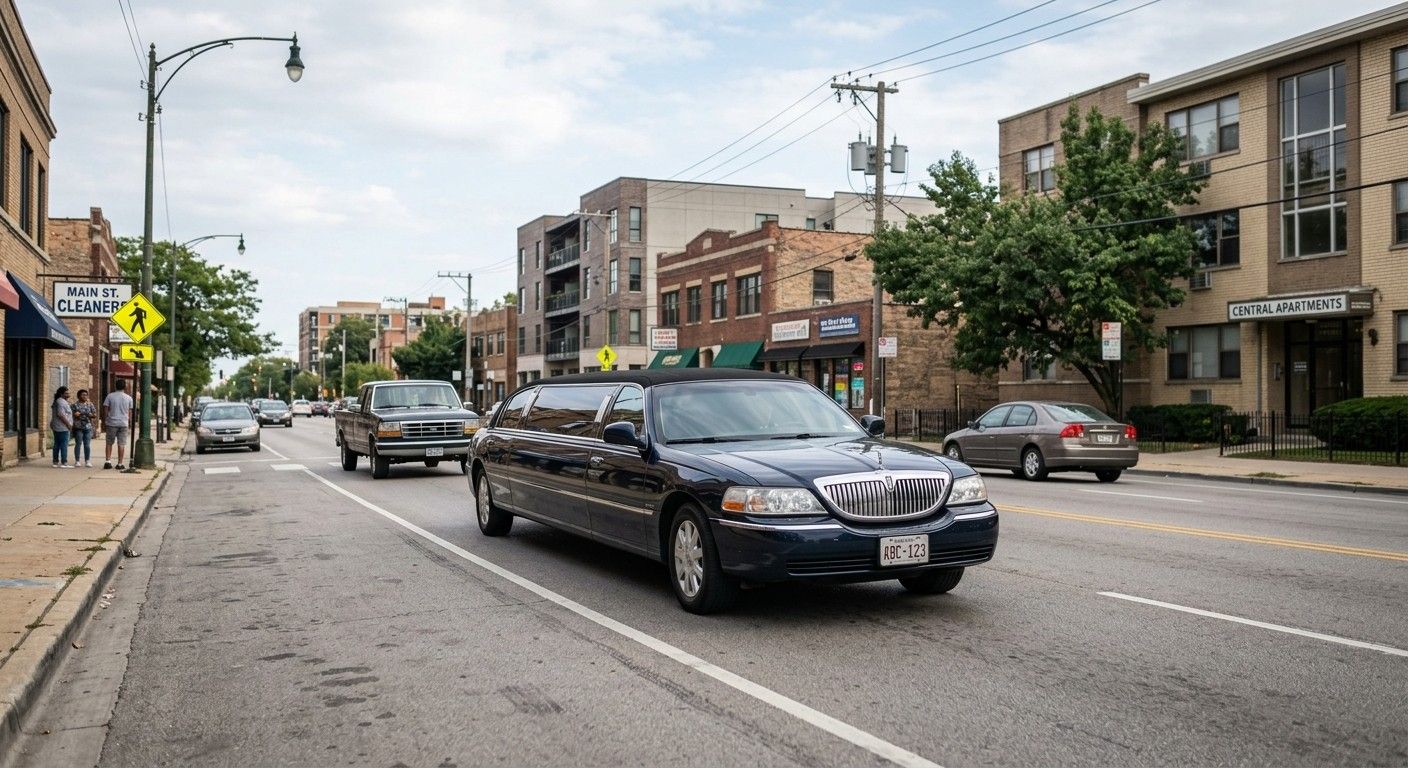
| Stretch limousine | Small formal group | Weddings, proms, anniversaries, formal arrivals |
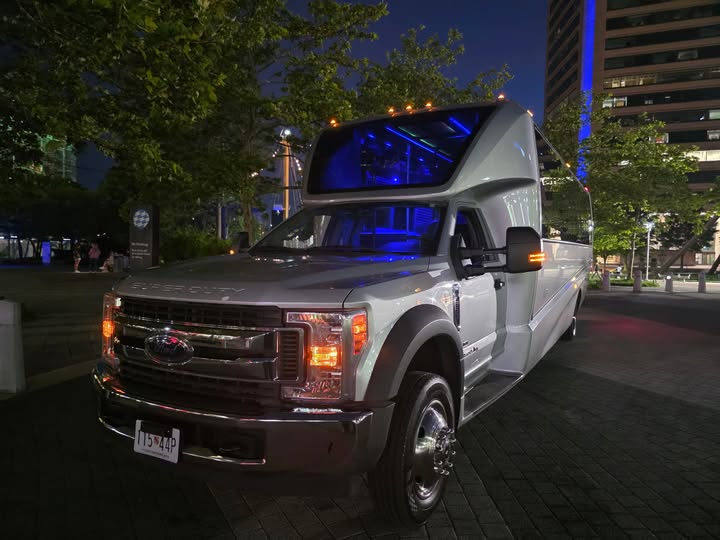
| Party bus | 14–30+ passengers | Bachelorette/bachelor, birthdays, group nights out |
| Shuttle / minibus | Groups | Wedding guest transport, corporate, airport group transfer |
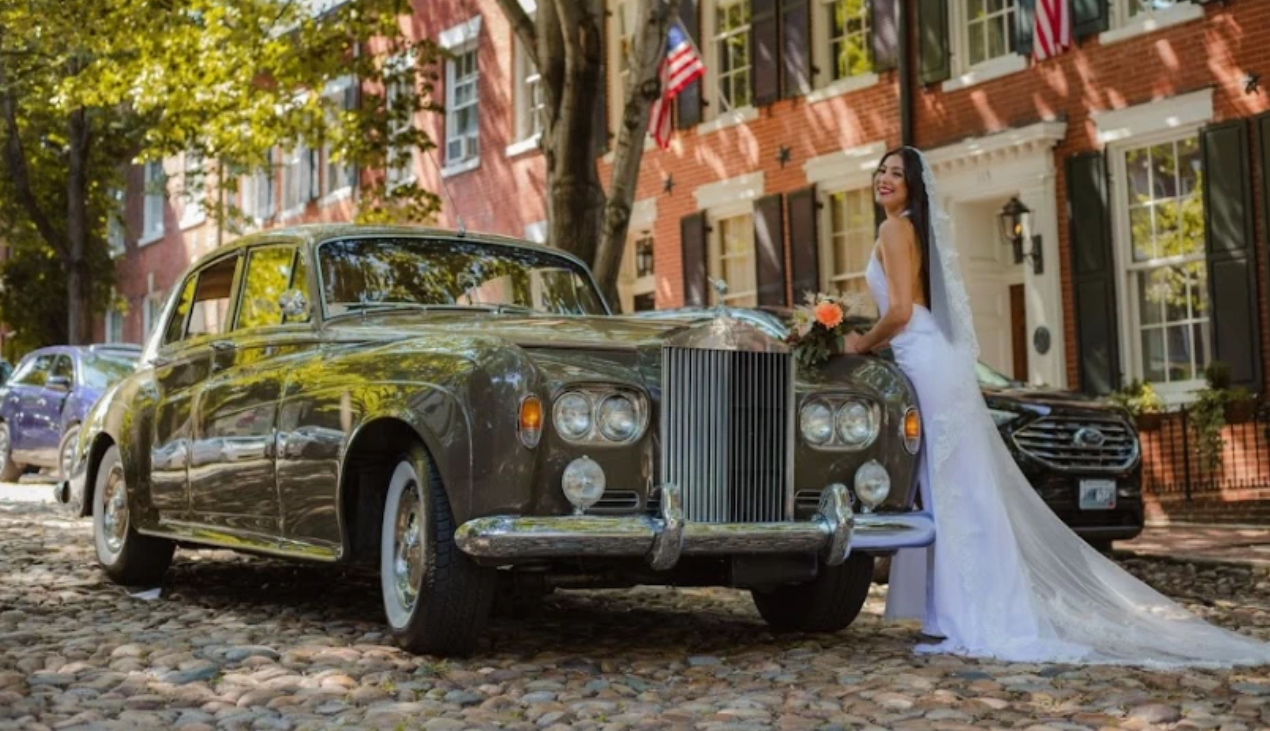
| Classic car | Small formal group | Wedding arrival, milestone event, vintage occasion |
Red Flags: When to Walk Away From a Car Service
Some warning signs reliably separate a risky operator from a professional one. If you notice these, keep looking.
-
No proof of insurance or licensing when asked. The biggest red flag of all — a legitimate commercial operator has documentation and provides it without hesitation.
-
Quotes only given verbally, with no written confirmation or contract. Every professional operator confirms the vehicle, time, route, and total price in writing before the trip.
-
A price that seems far below everyone else's. Often a sign of an uninsured or subcontracted ride — operators who cut this corner usually cut others too.
-
No specific vehicle confirmed. A vague "a car will be there" rather than a named make, model, and year is a meaningful warning sign for any event booking.
-
Pressure to pay entirely in cash with no receipt. Legitimate operators accept cards, provide receipts, and don't require full cash payment upfront with no paper trail.
-
Reviews that are all generic. "Great service!" with no event, vehicle, or location details tells you almost nothing about actual performance.
Why Reviews Matter More Than Star Ratings
When choosing a limo service near me, the substance of reviews matters more than the raw star count. A detailed review that names a specific service — "they ran our wedding shuttle from the Annapolis hotel block flawlessly" or "tracked my delayed flight at Dulles and were waiting when I landed" — tells you far more than fifty generic five-star ratings. Research on how consumers use search in 2026 — including SparkToro's zero-click search findings — consistently shows that buyers increasingly get direct AI-generated answers to "limo service near me" queries rather than browsing a list of results, which means detailed reviews naming real events and places are more important than ever for establishing credibility.
Look for reviews that mention the same service you need (airport, wedding, party bus), name real venues or areas in the DMV, and describe how the company handled the details — timing, communication, the chauffeur, the vehicle condition. A wall of five-star ratings with no substance is far weaker evidence than a handful of specific, detailed accounts.
How to Book the Right Limo Service Near Me
-
Define the trip first. Date, times, pickup and drop-off, group size, and occasion — have these ready before you contact any operator so you can get an accurate all-in quote.
-
Shortlist 2–3 operators. Choose companies that clearly show licensing, a real fleet they own, and detailed reviews naming specific events and locations in the DMV.
-
Request an all-in quote. Insist on the total including gratuity, fuel, and tolls — not the base hourly rate. Compare final totals between operators, not base rates.
-
Confirm the exact vehicle. Make, model, year, and passenger capacity — not just a category like "SUV" or "limo." The specific vehicle matters for photos, space, and reliability.
-
Get it in writing. A written confirmation or contract with every detail listed — pickup time, vehicle, route, total price, and cancellation policy.
-
Book early for peak dates. Wedding-season Saturdays, prom season, and holidays fill first. Popular vehicles — party buses, antique cars — book one event at a time and go fast.
Airport Car Service Near Me: DCA, IAD, and BWI
Most established DMV car services cover all three regional airports — Reagan National (DCA), Washington Dulles (IAD), and Baltimore/Washington International (BWI). The advantages of a dedicated airport car service over rideshare for any of these three airports include flight tracking that adjusts pickup to your actual landing time, meet-and-greet service that avoids the long rideshare-zone walks with luggage, and flat pricing with no surge. For executive and corporate travelers, the Amex Global Business Travel 2026 forecast confirms that reliable ground transport with predictable pricing is consistently among the top priorities for managed travel programs.
Wedding Transportation Near Me
For weddings, the right limo or car service runs the shuttle between the hotel room block and the ceremony, moves the wedding party between ceremony and reception, and — for couples who want a statement arrival — provides the classic car or stretch limousine for the ceremony itself. Coordinating timing, multiple pickup points, and guest capacity are the complexity points that separate a professional wedding transportation service from a standard car booking — it's worth asking specifically how the company manages multi-stop wedding logistics, not just whether they "do weddings."
| Airport transfer, solo or couple | Sedan with flight tracking and flat rate — the most cost-effective, reliable option for a single airport trip. |
| Airport transfer, group with luggage | SUV or executive Sprinter — one vehicle, space for everyone and their bags, one booking. |
| Bachelorette, birthday, or group night out | Party bus — built for the occasion, one vehicle keeps the group together all night. |
| Wedding ceremony arrival | Stretch limousine or classic car — chauffeur-driven, timed to the ceremony, photographs beautifully. |
| Moving wedding or event guests | Shuttle or minibus — most efficient for guest transport between a hotel block and venue. Call: (410) 451-0000 |
Professional Group Transportation Across the DMV
Bayside Limousines has served the Maryland, D.C., and Northern Virginia area for over 33 years. We own every vehicle and employ every chauffeur directly — licensed, background-checked, uniformed. Every booking comes with a written confirmation, a specific vehicle by make and model, and all-in pricing with no hidden fees. For airport transfers, weddings, corporate travel, or a night out, we're the car service near you that does it the right way.
Frequently Asked Questions
Built as an answer-first service-selection guide with a criteria checklist and FAQ blocks, updated for how buyers now search for a "limo service near me" through AI assistants and voice search.