
How many days you have determines everything about a Washington DC itinerary. One day covers the National Mall's core landmarks. Two days lets you add Capitol Hill and Georgetown. Three to five days opens up Arlington, Mount Vernon, and neighborhoods beyond downtown. This guide builds out each plan with a realistic walking estimate, monument order, and transportation breakdown — so you're not figuring it out at the Lincoln Memorial.
- 1 day: White House exterior, Lincoln Memorial, Capitol exterior, one Smithsonian museum — all walkable from the Mall.
- 2–3 days: Adds Capitol Hill interior, Georgetown, and Arlington National Cemetery to the above.
- 4–5 days: Enough time for Mount Vernon, the African American History Museum, and slower neighborhood exploration.
- Reservations matter: The Washington Monument ($1 timed ticket), African American History Museum, and Air and Space Museum all require passes — book before arrival.
- Georgetown and Mount Vernon have no direct Metro connection — budget a rideshare, car, or private driver for those legs.
on a Mall-heavy day
timed-ticket fee
per day (recommended)
served the DMV
Washington DC Itinerary at a Glance
The table below maps trip length to traveler type and the key stops each duration realistically covers. Use it to anchor your planning before reading the day-by-day breakdowns.
| Time Available | Best For | Must-See Stops |
|---|---|---|
| 1 Day | First visit, layover | White House exterior, Lincoln Memorial, Capitol exterior |
| 2 Days | Weekend trip | Add: 2–3 Smithsonian museums, Georgetown |
| 3 Days | Complete first trip | Add: Arlington National Cemetery |
| 4 Days | History lovers | Add: Mount Vernon, African American History Museum |
| 5 Days | Slow travelers | Add: The Wharf, Dupont Circle |
Attraction Planning Matrix
Before building your day-by-day plan, it helps to know which stops need advance reservations and how long each actually takes. The matrix below is based on 2026 operating conditions — check National Mall & Memorial Parks and the Smithsonian's visit page immediately before your trip, since timed-entry requirements change.
| Attraction | Nearest Metro | Time Needed | Reservation Required |
|---|---|---|---|
| Lincoln Memorial | Foggy Bottom | 30–45 min | No |
| Washington Monument | Smithsonian | 45–60 min | 🟡 Yes — timed ticket, $1 fee |
| U.S. Capitol | Capitol South | 1–2 hrs | 🟡 Yes — via Congress member or Visitor Center |
| White House (exterior) | McPherson Square | 30–45 min | No (interior: 21–90 day request) |
| African American History Museum | Smithsonian | 2–3 hrs | 🔴 Yes — free timed pass, books out fast |
| Air and Space Museum | L'Enfant Plaza | 1.5–2.5 hrs | 🟡 Yes — free timed pass |
| Natural History Museum | Smithsonian | 1.5–2.5 hrs | No |
| Arlington National Cemetery | Arlington Cemetery | 1.5–2.5 hrs | No |
| Georgetown | No direct Metro | 1.5–2 hrs | No |
| Mount Vernon | No Metro — car/tour needed | Half day | No |
Before You Start: Logistics That Catch First-Timers Off Guard
Day-by-Day Washington DC Itineraries
1-Day Washington DC Itinerary
The one-day plan is tight but doable if you start early and move efficiently between stops.
2-Day Washington DC Itinerary
Day 1: Follow the 1-day plan above. Day 2: Capitol Hill interior tour and Library of Congress (both require advance booking), lunch at Eastern Market, then Georgetown in the afternoon. Georgetown has no direct Metro stop — plan a rideshare or car specifically for this leg. Dinner along M Street. Approximate walking: 5.3 miles.
3-Day Washington DC Itinerary
Days 1–2: As above. Day 3: Arlington National Cemetery in the morning (Blue Line direct from downtown, about 10–12 minutes), a second museum in the afternoon, then The Wharf for dinner. Arlington is one of the few major stops with a Metro station right at the entrance — no car needed. Approximate walking: 4.8 miles on Day 3.
4-Day Washington DC Itinerary
Days 1–3: As above. Day 4: Mount Vernon — George Washington's estate sits about 15–20 miles south of downtown with no Metro connection. This requires a car, tour bus, or private driver, and a half day minimum once travel time is factored in. Pair it with the African American History Museum on the same day if time permits, or dedicate a full day if you want to move at a relaxed pace.
5-Day Washington DC Itinerary
Days 1–4: As above. Day 5: A slower day. Dupont Circle in the morning for coffee and the neighborhood, then back to Georgetown or The Wharf in the afternoon for anything missed. This is the day to revisit a museum you didn't finish, catch a Capitol tour you couldn't book earlier, or simply walk a neighborhood without a schedule.
Specialized Washington DC Itineraries
Washington DC With Kids
Air and Space and Natural History are the two strongest kid-focused museums — both have hands-on elements that hold attention. Cap outdoor Mall walking to 2–3 hours and build in a mid-afternoon break; a Potomac cruise works well here as a low-effort reset. Skip the Capitol interior tour unless children can sit through a full guided group tour. Timed Metro rides break up the day better than long walks between stops.
Washington DC for Couples
Lean into the night-lit monuments — the Lincoln, Jefferson, and MLK Memorials photograph best about an hour after sunset, when the crowds thin and the reflections settle. A Washington DC monument tour with a private driver handles the after-dark logistics so you're not figuring out late-night transportation near the Tidal Basin. Georgetown's dinner scene and the Potomac waterfront are the other natural couple-focused stops.
Washington DC for History Lovers
Prioritize the Capitol interior, Library of Congress, Arlington National Cemetery, and the African American History Museum. Add Mount Vernon on a 4–5 day trip. The Library of Congress is one of the most undervisited major stops in DC — the reading room alone is worth the advance booking.
Smithsonian Itinerary
Cap it at two museums per day — pairing one large museum with one smaller, less-visited one balances crowds and mental fatigue. The American Art Museum and Portrait Gallery share a building and get a fraction of the foot traffic of Natural History; the Hirshhorn and Freer are similarly underrated. Save the African American History Museum for a day when you have a full morning — it takes longer than most visitors expect.
Rainy Day Itinerary
Build the day around 2–3 museums connected by Metro rather than on foot. The Portrait Gallery, American History, and Natural History are the easiest Metro-to-Metro chain on a wet day. Save Georgetown, the Tidal Basin, and outdoor monuments for a dry day — wet cobblestones and no shelter make those legs significantly less enjoyable.
Cherry Blossom Itinerary
Peak bloom typically lands in the last week of March or first week of April, when roughly 70% of the Tidal Basin trees are open. Metro beats driving — Tidal Basin parking is severely limited during peak bloom weekends. Arrive at the Tidal Basin before 8 AM for the best light and manageable crowds. The Jefferson Memorial reflection at early morning is the anchor shot of a cherry blossom trip.
Best Order to Visit the Monuments
The lowest-total-walking route moves steadily east rather than doubling back across the Mall.
-
Lincoln Memorial Start here. Morning sun stays behind you for photos, and walk-up Washington Monument tickets release at 8:45 AM — you can snag one while still at the west end of the Mall.
-
MLK Memorial → FDR Memorial → Jefferson Memorial The Tidal Basin loop connects these three — walk counterclockwise (MLK to FDR to Jefferson) to stay in order without backtracking.
-
Washington Monument Center of the Mall. If you have a timed ticket, this is where you use it. Views from the top orient you for the rest of the day.
-
WWII Memorial Just east of the Monument, on the way toward the Capitol. No reservation needed, no security screening — walk straight in.
-
U.S. Capitol The east end of the Mall. Finishing here puts you near Union Station (Amtrak, Red Line) and multiple Metro lines for wherever you're headed next.
Walking vs. Metro vs. Rideshare vs. Private Chauffeur
The right transport mix depends on your itinerary — not one method covers everything.
| Feature | Walking | Metro | Uber/Lyft | Private Chauffeur |
|---|---|---|---|---|
| Cost | Free | $2.25–$6.75/ride | $10–30+, surge-variable | Fixed rate, quoted ahead |
| Covers Georgetown / Mt. Vernon | 🔴 No | 🔴 No | Yes | Yes |
| Group-friendly | Limited by pace | Crowded at peak | 1 vehicle / 4 passengers | One vehicle, whole group |
| Weather resilience | 🔴 Poor | Good | Good | 🟢 Best |
Walking Distance & Transportation Times
| Day | Approx. Miles |
|---|---|
| Day 1 (Mall-heavy) | 6.1 miles |
| Day 2 (Capitol Hill + Georgetown) | 5.3 miles |
| Day 3 (Arlington + museum) | 4.8 miles |
Lincoln → White House: 12 min drive / 27 min walk / 8 min Metro. Downtown → Arlington: 15 min drive / 10–12 min Metro (direct Blue Line). Downtown → Mount Vernon: 35–40 min drive, no Metro route.
Common Itinerary Mistakes to Avoid
Budget Breakdown
| Low budget | Free museums and monuments, Metro throughout, casual meals — roughly $40–70 per person per day. |
| Mid budget | Metro plus occasional rideshare, one paid tour, sit-down meals — $100–175 per person per day. |
| Luxury | Hourly chauffeur service for the trip, reserved dining, premium tours — $250+ per person per day. Private transportation is priced per vehicle and often more cost-effective for groups of four or more. |
| Group note | A private vehicle splits well across four or more travelers — often cheaper per person than four individual rideshares across a full day. Call (410) 451-0000 for a group rate. |
Skip the Parking, Keep the Itinerary
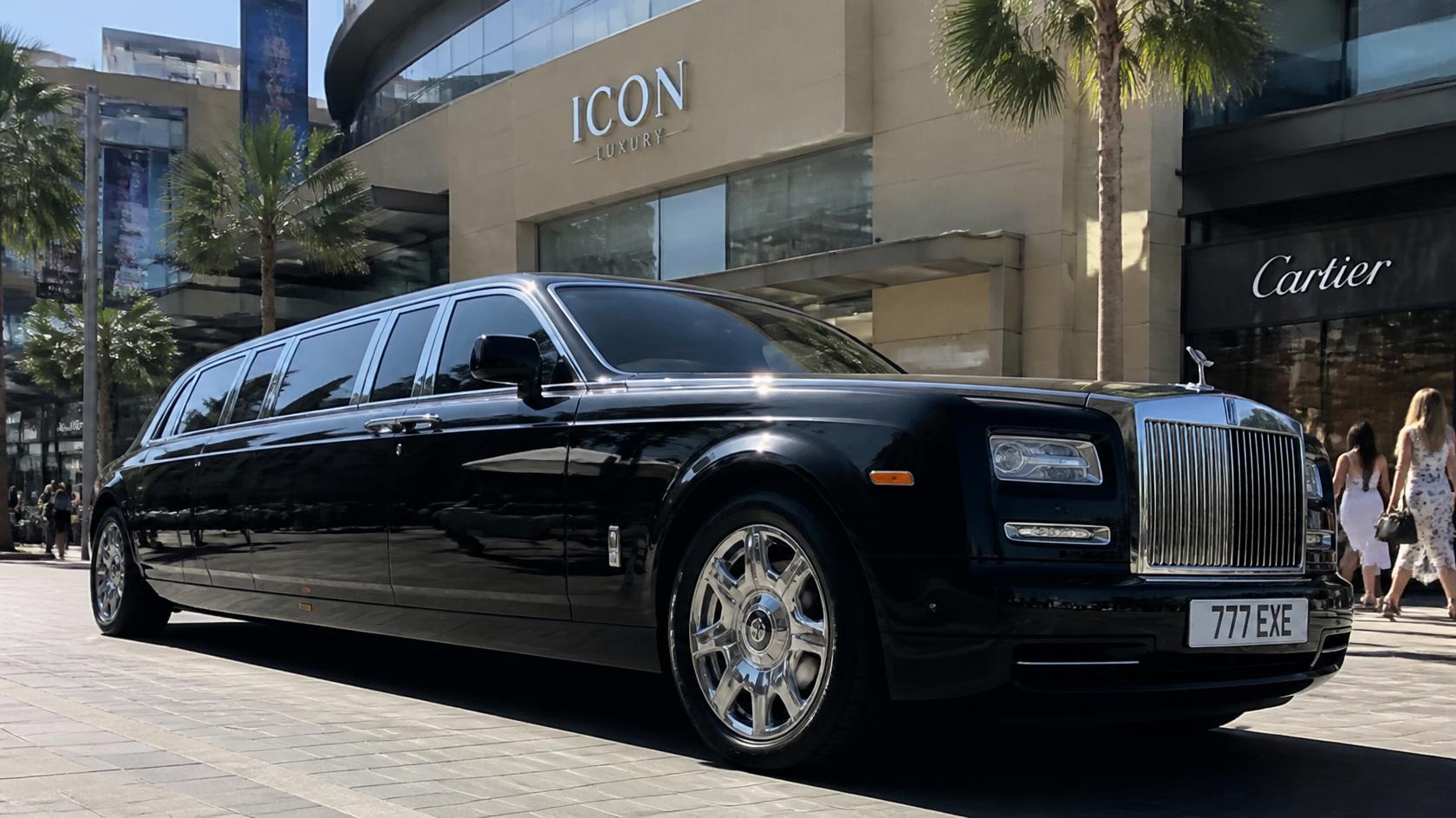
Bayside Limousines has served the DMV for over 33 years. We handle Georgetown, Mount Vernon, Reagan Airport, and every Mall stop in between — one vehicle, your group, your schedule. Over 500,000 trips completed and 1,000+ five-star reviews.
Frequently Asked Questions
Washington Monument timed-ticket system confirmed via recreation.gov ($1 fee, as of July 2026). Smithsonian timed-entry requirements verified. White House interior tour status is subject to change — confirm at whitehouse.gov/visit before publishing.