
Tin Lizzie Wineworks is Maryland's make-your-own-wine facility at 13250 Greenberry Lane in Clarksville, Howard County, where you make your own wine from grapes to glass in four one-hour hands-on sessions spanning about a year. Head winemaker and instructor Dave Zuchero, a UC Davis-trained winemaker with decades of experience, guides you through crush, fermentation, pressing, barrel aging, and bottling, and you choose the grapes, craft the wine, design your labels, and take home bottles of your own vintage. This is not a tasting room: Tin Lizzie does not sell wine or offer traditional tastings. This guide covers the four sessions, grape choices, who it is for, the drive, and how groups can travel.
- Location: 13250 Greenberry Lane, Clarksville, MD 21029.
- Phone: 301-318-9954.
- Format: Four one-hour hands-on sessions over about one year.
- What you do: Crush grapes, ferment, press and barrel, then bottle and label your own wine.
- Equipment: All professional equipment is provided.
- Important: Not a tasting room: wine is not sold, and what you make is for personal use.
sessions
to bottle
established
Baltimore
Visitor Details
| Detail | Info |
|---|---|
| Address | 13250 Greenberry Lane, Clarksville, MD 21029 |
| Phone | 301-318-9954 |
| Format | Four one-hour sessions over about a year |
| Instructor | Dave Zuchero, UC Davis Winemaking Certificate |
| Established | 2008 |
| Policy | No wine sales; personal consumption only |
What Is Tin Lizzie Wineworks?
Tin Lizzie Wineworks is not a winery in the traditional sense. There is no tasting room, no vineyard, and no bottles lined up behind a bar. It is a winemaking education facility, an agri-tourism site where participants take part in every step of producing a barrel of wine using professional equipment that is generally not available to home winemakers. According to Visit Howard County's listing for Tin Lizzie, the facility has welcomed aspiring winemakers from across Maryland since 2008. Dave Zuchero, the head winemaker and instructor, earned a Winemaking Certificate from the University of California at Davis and holds a BS in Microbiology from Indiana University of Pennsylvania. He has won numerous awards for his wines, including a gold medal in an international competition and first and second places at the Maryland State Fair. The key distinction is that Tin Lizzie does not have a license to sell wine: everything produced here belongs to the participant who made it, so you are not buying wine, you are making it.
How Does the Winemaking Process Work?
The experience unfolds across four one-hour sessions spaced over about a year, following the natural rhythm of the winemaking cycle.
Session 1: Crush (Fall)
Grapes arrive in the fall, sourced by Dave from California vineyards and other high-quality growing regions. You de-stem and crush the grapes using motorized professional equipment, test and adjust the must, and add yeast to begin fermentation. This is where your wine begins.
Session 2: Press (Weeks Later)
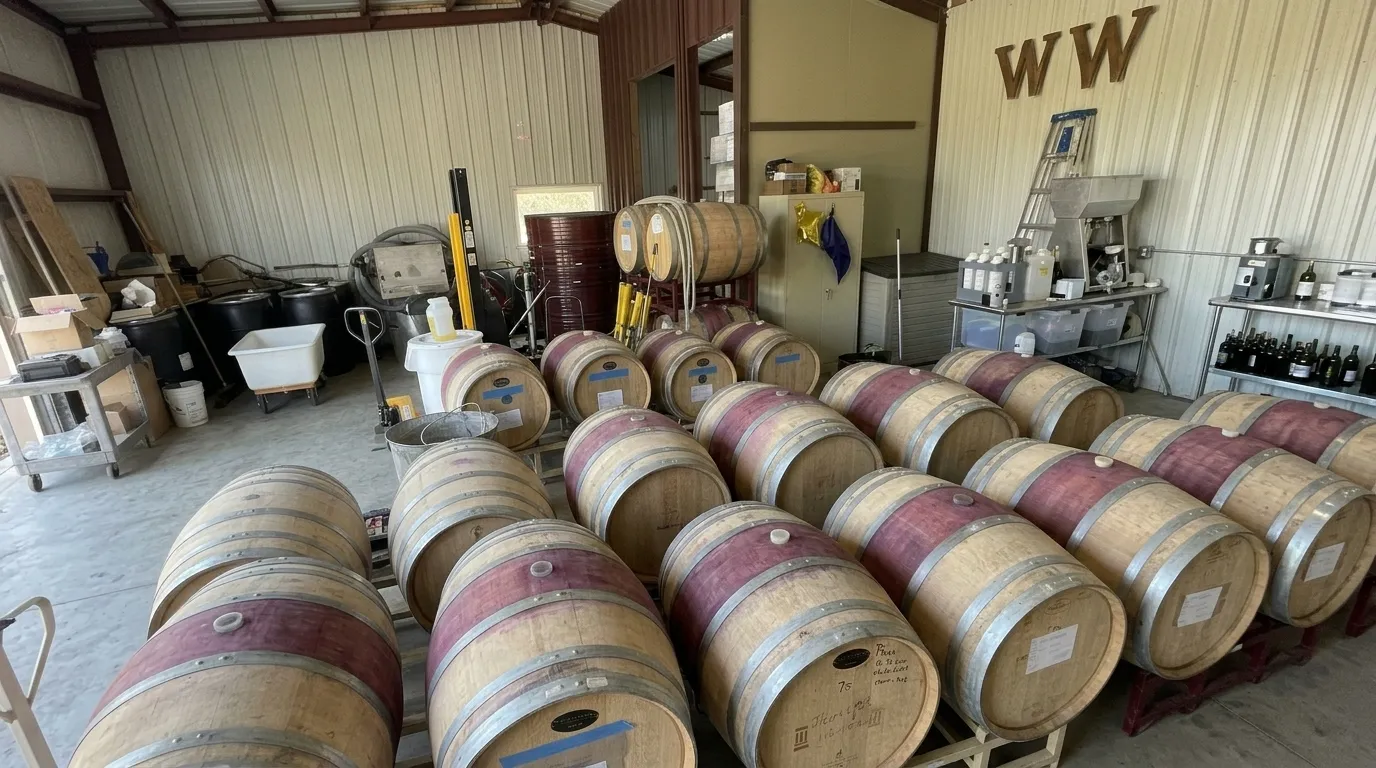
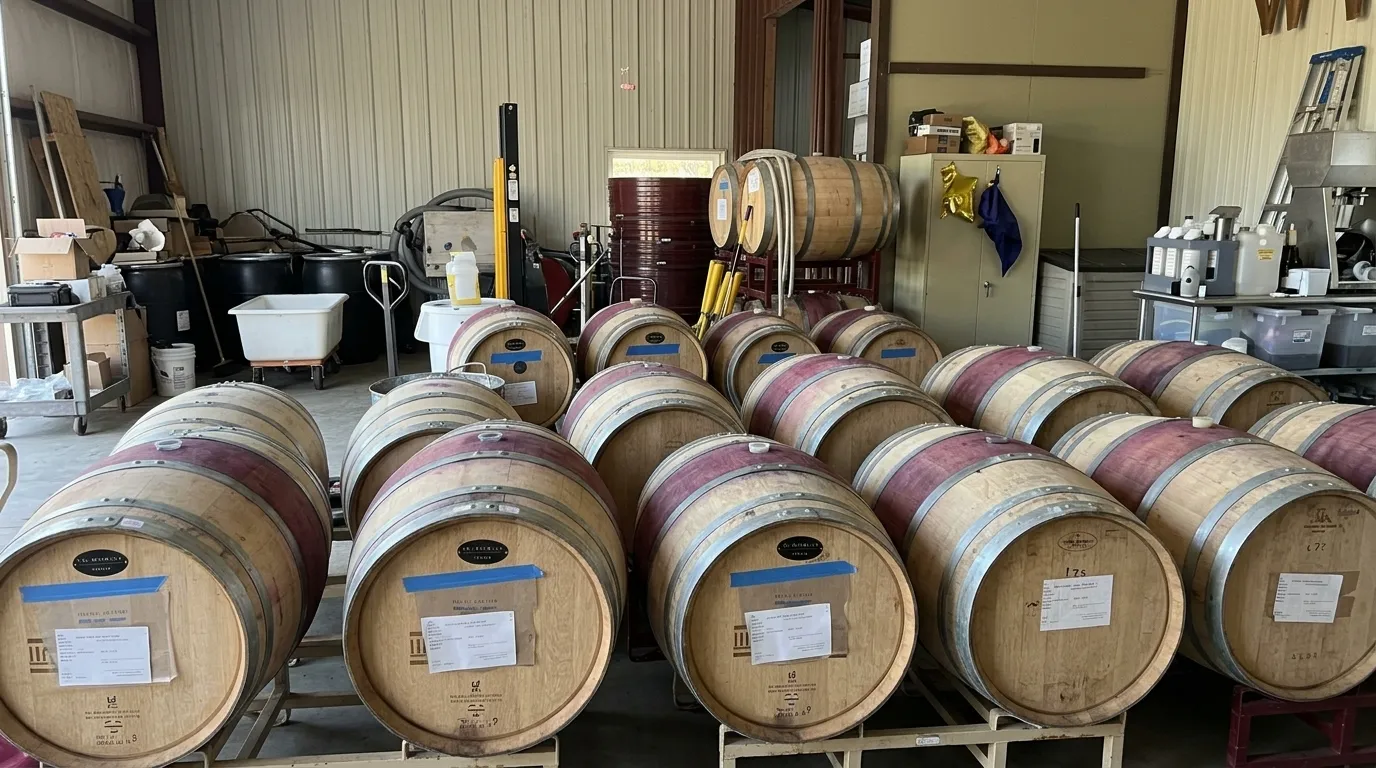
After fermentation, you return to press, using a professional wine press to separate the wine from the grape skins. The wine is transferred to French or American oak barrels, which rest in Tin Lizzie's climate-controlled barrel room.
Session 3: Tasting (Four Months Later)
You return to taste your wine in a festive group tasting with other participants. This is the moment you discover what your choices have produced, as the varietal, the fermentation, and the barrel come together in the glass.
Session 4: Bottling (Nearly One Year After Crush)
Almost a year after you began, you return to bottle, cork, and capsule your wine and affix your custom labels, which you can design yourself or let Tin Lizzie help create. At the end, you take home your bottles, a personal vintage with your name on it.
| Session | Activity | Timing |
|---|---|---|
| 1 | Crush: de-stem, crush, test, add yeast | Fall (grape harvest) |
| 2 | Press: separate wine, transfer to barrels | Weeks after crush |
| 3 | Taste: group tasting of aging wine | About 4 months after crush |
| 4 | Bottle: cork, capsule, label, take home | About 1 year after crush |
What Kind of Wine Can You Make?
You choose the grape varietal and quality level, and Dave sources grapes ranging from accessible Central Valley fruit, ideal for a good everyday table wine, to premium Napa Valley Cabernet Sauvignon from designated vineyards. Entry-level table wines use Lodi or Central Valley grapes, great for pizza-and-pasta nights and the most affordable option. Mid-tier varietals use quality grapes from established California regions. High-end single-vineyard wines, such as Napa Cabernet and Sonoma Pinot Noir, come from designated vineyards and can produce wines in the class of bottles that retail for much more. Rhône-style wines are available for participants interested in Syrah, Grenache, and blends. Tin Lizzie also holds small tastings through the summer to help prospective participants understand what they like before committing to a grape selection. The official Tin Lizzie website lists current options, and the Maryland Wineries Association has information on the state's commercial wineries if you want to compare experiences.
Who Is This For?
Tin Lizzie attracts a surprisingly broad range of participants. Couples looking for a year-long shared experience find it more creative and personal than a typical date night, with four sessions creating recurring milestones. Friend groups who want to make wine together and share the bottles enjoy the social format of the crush and tasting sessions. Wine enthusiasts who want to understand what happens between the vine and the glass will find the hands-on process demystifies winemaking in a way no book or tasting room can. Gift-givers get a genuinely unique experience gift, a distinctive alternative to a wine-club subscription. Corporate teams looking for team-building get a tangible, drinkable result. One important note: wine made at Tin Lizzie cannot be sold commercially, since it is for personal consumption only and the facility does not hold a commercial production license.
Getting to Tin Lizzie Wineworks
The address is 13250 Greenberry Lane, Clarksville, MD 21029, and the phone number is 301-318-9954. The facility sits in a bucolic rural setting: past a stone farmhouse, a white one-story building with the Tin Lizzie Wineworks sign marks the destination.
Private Transportation for a Winemaking Session
The crush and pressing sessions involve handling grapes and must, so participants sometimes prefer to arrive without worrying about their car, and the group tasting in Session 3 is designed around sampling wine with fellow participants. A Maryland wine tour vehicle ensures everyone can taste freely without a designated-driver concern. For couples or groups who want to make the session part of a full outing, with winemaking in Clarksville and then lunch or dinner in Columbia or Ellicott City, a chauffeured SUV car service handles the round trip. Friends who are making wine together can share a private group vehicle to the tasting and bottling days, and companies using Tin Lizzie for team-building can book corporate transportation so the whole team arrives together.
Tips for Prospective Winemakers
Sign up in late summer. Since grapes are harvested in the fall, the crush session begins in September or October, so reserve your spot by August. Start with what you like to drink. Dave helps you select a grape that matches your palate, so if you love bold Cabernet, that is what you will make. Bring friends. The sessions are more fun as a group, and the festive tasting in Session 3 is a highlight. Budget for the full year. Pricing depends on the grape quality level you select, so contact Tin Lizzie for current pricing on each tier. Plan your labels early. Designing your own labels is part of the experience, and some participants bring professional designs while others create playful personal labels for gifts.
A Year in the Life of Your Wine
Making wine at Tin Lizzie is a slow-motion project, and that is part of its charm. In the fall, the crush is lively and physical, with grapes everywhere, sticky hands, and the smell of fermenting fruit. Over the following weeks, the must becomes wine and you return to press it, an exciting moment when the liquid is separated from the skins. Then the wine rests, and the next several months are about patience. By the winter tasting, the wine has become something recognizable, and you and your fellow participants can compare notes on what you chose and how it turned out.
By the following fall, the wine is ready to bottle, and the final session is part celebration and part craft: you cork, capsule, and label your own bottles. Many participants say the wine tastes better because they made it. Whether or not that is true, the experience of following one barrel from grape to glass changes how you taste every wine afterward, and it makes a good story for the next dinner party.
Make a Wine Outing of It
Because there is no tasting room, a Tin Lizzie visit is short, which leaves room to build a day around it. Pair a bottling session with lunch in Ellicott City or a stroll through Columbia's Lake Kittamaqundi. Pair a crush with a visit to a nearby farm or orchard in early fall. For a group, plan a post-session meal where everyone can talk about their wines. And on the day of the group tasting, plan the ride in advance so that nobody has to think about driving home after a generous pour.
Wine Outing Transportation to Tin Lizzie Wineworks
Bayside Limousines has served the Maryland, D.C., and Northern Virginia area for over 33 years. For your Tin Lizzie crush, tasting, or bottling day — from Baltimore, DC, Columbia, or Annapolis — we handle the drive, so everyone can enjoy the group tasting without worrying about the road. Fixed rate. We own every vehicle and employ every chauffeur directly.
Frequently Asked Questions
Facility details confirmed from Visit Howard County and Tin Lizzie listings. Pricing, grape selections, and session dates change by season; confirm with Tin Lizzie before planning.