
Rocklands Farm Winery sits in Poolesville, Maryland, deep in Montgomery County's Agricultural Reserve, about 35 miles northwest of DC and 45 miles west of Baltimore, combining low-intervention winemaking with regenerative agriculture on a working farm. The vines share the property with livestock, cover crops, and managed pastures, and the regenerative-agriculture commitment means the farming practices actively improve the soil rather than depleting it. Food trucks, live music on select weekends, and outdoor seating overlooking the farm create a visitor experience that extends beyond the tasting room. This guide covers the farm-to-glass philosophy, the drive from DC and Baltimore, and how groups can pair Rocklands with Windridge Vineyards.
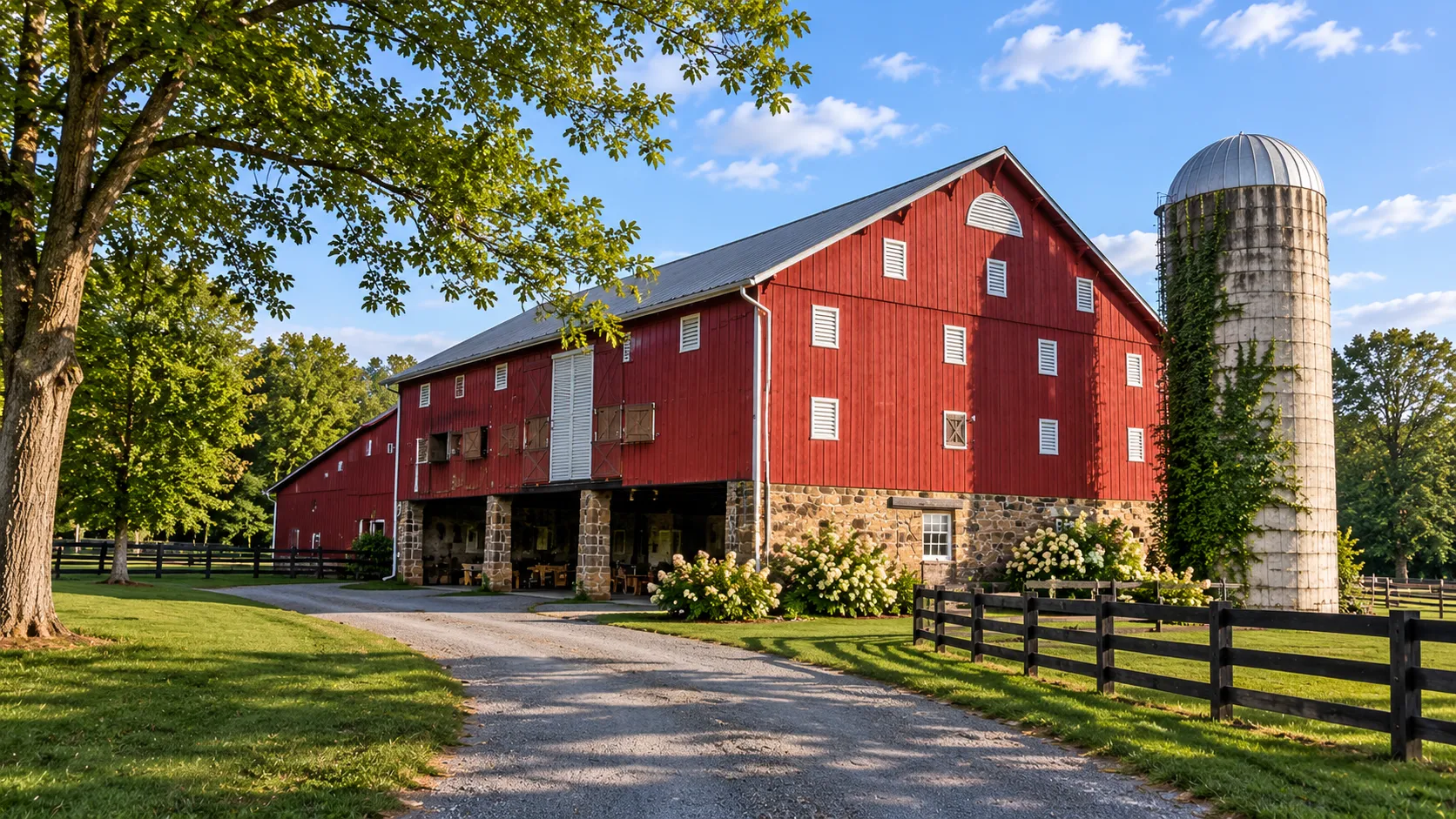
- Location: Poolesville, Maryland — Montgomery County Agricultural Reserve.
- Philosophy: Low-intervention winemaking and regenerative agriculture.
- Experience: Working farm with livestock, cover crops, and managed pastures.
- Extras: Food trucks and live music on select weekends; outdoor seating.
- From DC: ~35 miles, 40–50 minutes.
- From Baltimore: ~45 miles, 50–60 minutes.
Reserve
DC
Baltimore
Vineyards
Visitor Details
| Detail | Info |
|---|---|
| Location | Poolesville, MD (Montgomery County) |
| Setting | Working farm in the Agricultural Reserve |
| Winemaking | Low-intervention — native yeasts, minimal sulfites |
| Farming | Regenerative — cover crops, managed grazing, composting |
| Extras | Food trucks, live music on select weekends, outdoor seating |
The Farm-to-Glass Difference
Low-Intervention Winemaking
Rocklands produces wines with minimal intervention, allowing the grapes and the fermentation process to express the farm's character rather than masking it with heavy manipulation. Low-intervention winemaking means native yeasts, minimal sulfite additions, and a philosophy that the winemaker's job is to guide rather than control. The result is wines that vary with the vintage and taste of where they were grown. Current releases and visitor information are on the official Rocklands Farm website.
Regenerative Agriculture
The farm's agricultural practices go beyond sustainability, which maintains the current state, to regeneration, which actively improves soil health, biodiversity, and ecosystem function. Cover crops between vine rows, managed grazing, composting, and biological pest management create a vineyard that is healthier each year rather than gradually depleted. For visitors, that philosophy is visible in the landscape: the vines share the property with livestock, cover crops, and managed pastures.
The Agricultural Reserve
Poolesville sits in the heart of Montgomery County's 93,000-acre Agricultural Reserve, the same protected farmland zone that Windridge Vineyards occupies in Darnestown, about 15 miles east. The Reserve's protected status means the rural character surrounding Rocklands will not change; no subdivisions will replace the horse farms next door. For a farm built around long-term soil health, that permanence matters.
A Working Farm, Not Just a Tasting Room
What separates Rocklands from tasting-room-only wineries is that this is an actual working farm. The vines share the property with livestock, cover crops, and managed pastures. Food trucks, live music on select weekends, and outdoor seating overlooking the farm create a visitor experience that extends beyond the tasting room. The Maryland Wine profile of Rocklands Farm Winery offers a second reference for planning.
A visit tends to unfold slowly. Order a glass or a flight, pick a spot outside, and let the afternoon take shape around the food truck and whatever music is playing that weekend. Because the schedule of food trucks and live music varies, check the farm's calendar before choosing a date, and consider arriving a little early on music weekends to claim a good spot. Families and friend groups tend to treat Rocklands as a place to stay for a while rather than a quick stop, which is exactly what the setting invites.
Getting to Rocklands
The Montgomery County Wine Route
Combine Rocklands with Windridge Vineyards in Darnestown for a Montgomery County wine-country afternoon: two very different farms, 15 miles apart, within the same protected landscape. A Maryland wine tour vehicle handles the Agricultural Reserve driving, and for groups of four to six, a private group vehicle connects both wineries and the drive home. For larger gatherings, a shuttle service collects guests from several pickup points and returns them together.
The roads through Poolesville are narrow and winding, and they become dark early in the cooler months. After a flight and a farm-style afternoon, a professional driver is the sensible choice for the return, particularly on music weekends when more visitors share the road. Planning the ride before you arrive removes the one decision that most often shortens a good wine afternoon.
Planning a Rocklands Day
Think of Rocklands as a farm visit that happens to include wine. Wear comfortable shoes and layers; the farm is outdoors, and the Reserve's open fields can be breezy. Bring a blanket or a small folding chair if you plan to settle in for the afternoon, and check ahead for the food truck lineup and live-music schedule. Children and well-behaved dogs are often welcome at farm wineries, but policies vary, so confirm with the farm before you bring them.
Weekends are the most lively, with music and food trucks drawing crowds, while weekdays are quieter and better for conversation. In either case, arrive with a plan for getting home: with a driver booked, the group can order a second round and enjoy the sunset over the pastures without watching the clock. That is the whole point of a day on a farm like this, and it is easier when the logistics are handled.
Why Regenerative Farming Matters to Visitors
It is easy to treat regenerative agriculture as a buzzword, but at a working farm it has practical consequences that visitors can see and taste. Cover crops between the rows keep the soil alive and reduce erosion. Managed grazing returns nutrients to the ground and keeps pastures productive. Composting closes a loop between the kitchen, the animals, and the vineyard. Over time, these practices change the farm: richer soil, more biodiversity, and grapes that reflect a healthier ecosystem. For wine drinkers, that translates into bottles with a clearer connection to place and a story worth understanding.
The approach also suits the Agricultural Reserve itself. The Reserve was created to protect farmland and the rural economy, and a farm that improves its soil each year is a living example of what that protection is for. Visiting Rocklands is a way to support that idea: your visit helps sustain a farm that is managed for the long term rather than for quick returns, and the wine in your glass is part of that story.
Seasons on the Farm
A working farm looks different in every season, and Rocklands rewards repeat visits. In spring, cover crops green the ground between the vine rows and new growth appears on the vines. Summer brings full canopies, long evenings, and the easy rhythm of outdoor seating. Early autumn is harvest, when the farm is at its busiest, and the fall landscape of the Reserve adds color to the drive. Winter slows everything down, and visitors who come then often find a quiet tasting room and time to talk with the staff about the farm. Whatever the season, check the calendar for music and food trucks, since the lineup changes through the year.
Pairing Rocklands With the Rest of Poolesville
Poolesville is a small town with a strong rural identity, and a Rocklands visit combines easily with a wider day in the area. The Potomac River and the C&O Canal towpath are a short drive away for visitors who want a walk before or after the tasting, and the Reserve's back roads are a pleasure to drive in any season. Many groups make a loop: a morning walk, a farm lunch from a food truck, an afternoon at the winery, and a return through Darnestown with a stop at Windridge. With a driver, the loop becomes a relaxed tour instead of a navigation exercise.
Because Poolesville is farther from the city than most Maryland winery destinations, it is worth leaving a comfortable cushion for the return. Plan to depart before dark, particularly in late autumn and winter when daylight is short, and tell your driver the group's preferred return time so the vehicle is ready. A little planning makes the trip home as pleasant as the afternoon.
Who Rocklands Is For
Rocklands suits visitors who care about where their wine comes from. Natural-wine drinkers appreciate the low-intervention approach, and sustainability-minded visitors respond to the regenerative farming story. Families like the open space and the farm setting, and friend groups like the easy, casual atmosphere of food trucks and live music. Couples find the quiet corners of the property well suited to a slow afternoon. If you want a place to settle in and enjoy the day, rather than move quickly between tasting stations, Rocklands fits.
If your group includes a mix of wine drinkers and non-drinkers, a farm setting helps: there is space to wander, animals and fields to look at, and food trucks that offer something for everyone. Settle on an arrival time, a rough departure time, and a meeting point with your driver, and the afternoon will take care of itself, with room for one more glass at sunset and a relaxed ride home afterward, with the driver handling every turn on the way back.
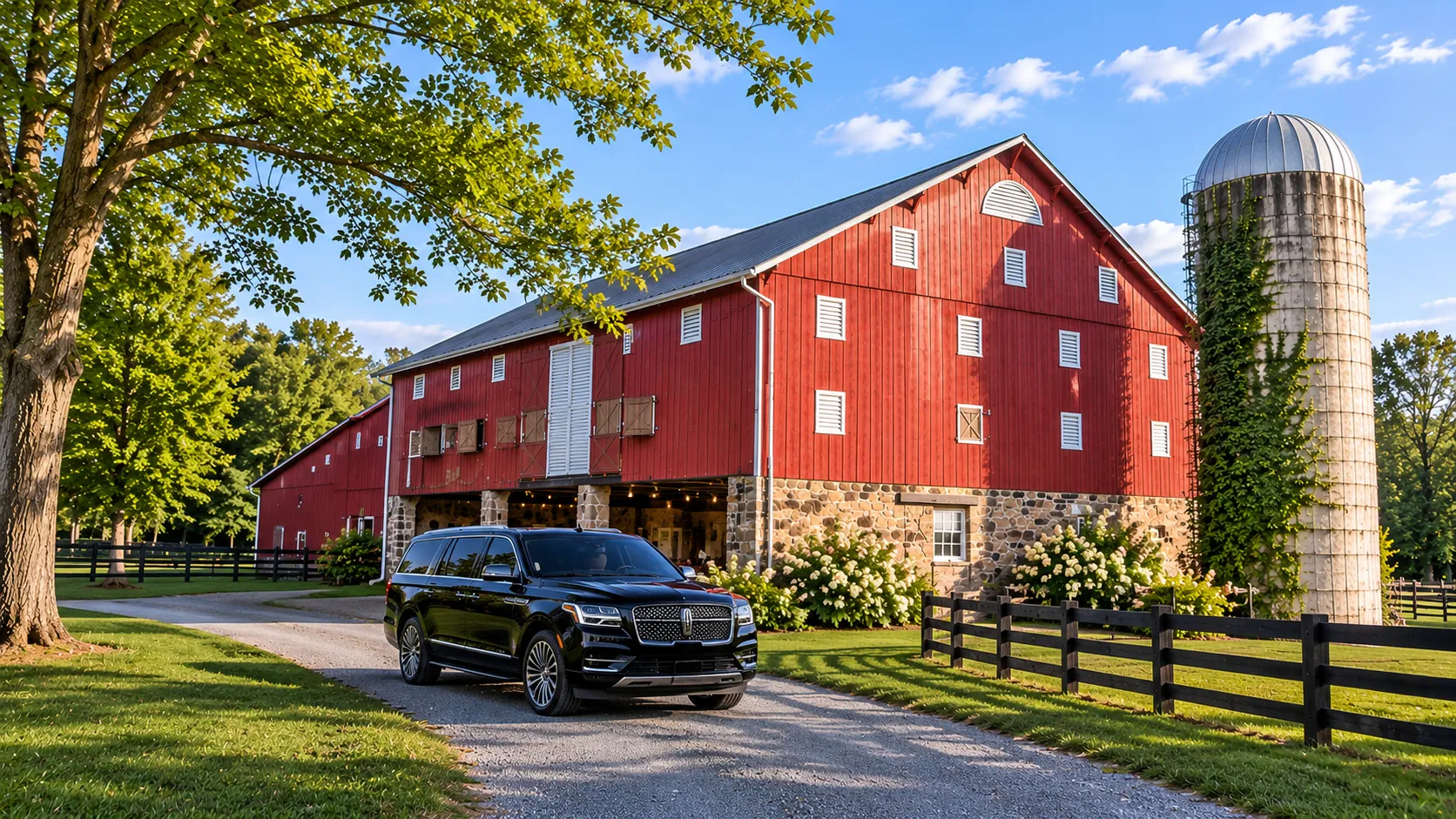
Wine Tour Transportation to Rocklands Farm Winery
Bayside Limousines has served the Maryland, D.C., and Northern Virginia area for over 33 years. For a Rocklands afternoon — or a Poolesville and Darnestown wine route — we handle the Agricultural Reserve driving from DC, Baltimore, or the Maryland suburbs, so everyone enjoys the farm and nobody drives. Fixed rate, your schedule. We own every vehicle and employ every chauffeur directly.
Frequently Asked Questions
Winery details confirmed from Rocklands Farm and Maryland Wine listings. Confirm current hours, food truck schedules, and live music dates before visiting.