
Dulles to Baltimore is about 55–60 miles — roughly a 1 hour 10–15 minute drive — and there is no direct train, bus, or transit connection between them. Every public transit option requires at least one transfer and typically takes 2 to 2.5+ hours, several times longer than driving. For most travelers, especially with luggage or a group, a car service or taxi is the simplest way to make this trip.
- Distance: 55–62 miles by road (straight-line sometimes cited at 65–70 miles).
- Drive time: ~1h 10–15min in normal traffic; can stretch past 2.5 hours during weekday rush (7–10 AM, 3–7 PM).
- No direct transit: There is no direct train, bus, or connection between Dulles and Baltimore — every transit option requires at least one transfer.
- Transit total time: 2–2.5+ hours via Metro Silver Line + MARC/Amtrak onward from Union Station or New Carrollton.
- Car service cost: ~$112–150+ depending on vehicle and provider; flat rate, no surge.
- Group math: A private car becomes cost-competitive vs. transit for 3+ travelers once per-person fares are added up.
by road
in normal traffic
with transfers
connections
How Do You Get from Dulles to Baltimore?
The three real ways to make this trip are driving (or a taxi/car service), public transit (a multi-transfer combination of Metro and train), or a private shuttle van. Driving is by far the fastest at just over an hour; transit takes more than double that time due to the lack of any direct connection; a private or shared shuttle sits in between on both time and cost.
Given the distance and the complete absence of a direct transit option, most travelers making this specific trip — especially right after a flight, with luggage, or in a group — find that a car service is the least complicated choice, even at a higher price than public transit.
How Far Is Dulles from Baltimore?
The road distance is consistently cited at 55–62 miles depending on the exact endpoints measured (Dulles' main terminal to downtown Baltimore versus BWI Airport specifically), with straight-line distance sometimes cited slightly higher at 65–70 miles. In normal traffic, that translates to a 1 hour 7 minute to 1 hour 16 minute drive — sources converge closely on this range regardless of the specific tool used to calculate it.
Rush hour matters here more than on a lot of regional trips. A normally 1-to-1.5-hour drive can stretch past 2.5 hours during weekday rush periods (roughly 7–10 AM and 3–7 PM) or on busy summer weekends — worth building real buffer time into your plan if you're traveling during those windows.
Your Options: Car Service vs. Train vs. Driving
| Option | Time | Cost | Notes |
|---|---|---|---|
| Drive yourself | ~1h 10–15min | $8–12 tolls + gas | Fastest if you have a car available |
| Car service | ~1h 10–15min | ~$112–150+ | Door-to-door, no transfers, flat rate |
| Rideshare (Uber) | ~1h 10–25min | ~$112 average | Variable/surge pricing, no flight tracking |
| Transit (Metro + MARC/Amtrak) | 2–2.5+ hours | 🟡 $5–60 ($200+ premium) | At least one transfer required; no direct connection |
| Shared shuttle van | Varies | $80–150+/person shared; $250–400+ private | Pre-booked, tracks flight, adds shared-ride wait |
Is There a Train from Dulles to Baltimore?
No direct train exists. The only transit route requires taking the Metro Silver Line from Dulles Airport station to a transfer point — typically New Carrollton or Union Station — then boarding a MARC Penn Line or Amtrak train onward to Baltimore Penn Station. Total transit time is consistently cited at 2 to 2.5+ hours, and the Silver Line ride alone from Dulles to Metro Center runs approximately 75 minutes before any onward connection.
Car Service from Dulles to Baltimore
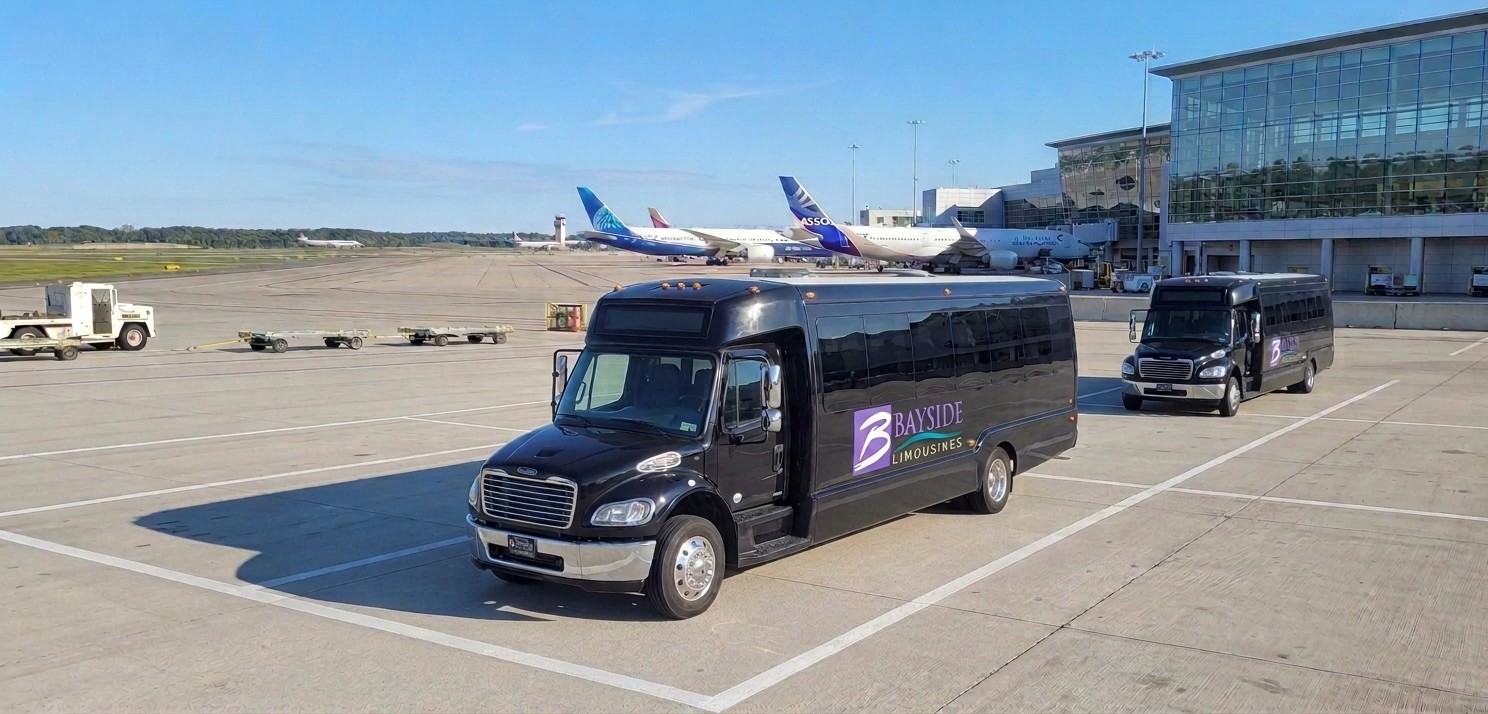
A private airport car service solves the two real problems with this trip: the total lack of a direct transit option, and the genuine hassle of managing transfers and luggage across Metro and train lines after a flight.
-
Flat, known rate before you travel. No surge pricing, no taxi meter running against rush-hour delays. The rate you agree to at booking is the rate you pay.
-
Flight tracking built in. A car service that monitors your flight adjusts for early or delayed arrivals automatically — no need to coordinate pickup timing yourself after landing.
-
Door-to-door, no transfers. Meaningful with luggage, especially after a long or international flight, when navigating a Metro-to-train transfer with bags is its own ordeal.
-
One fixed cost for a group. Rather than per-person transit fares or a shared shuttle's per-seat pricing — a private car becomes cost-competitive for 3 or more travelers splitting the fare.
| Solo traveler, light bag, flexible timing | Transit (Metro Silver Line → MARC) — cheapest option at $5–60, but plan for 2+ hours and a transfer. |
| Solo or couple, no luggage concerns | Rideshare — ~$112 average, same drive time as a car service but without flight tracking or a fixed rate. |
| Traveler with luggage, just off a flight | Car service — door-to-door, no transfer stress, driver tracks your flight. Call: (410) 451-0000 |
| Group of 3 or more | Private car — per-person cost drops to competitive levels vs. transit once you split the flat fare. |
| Rush-hour travel (7–10 AM or 3–7 PM) | Build a 90-minute buffer regardless of mode — the drive can stretch past 2.5 hours, and transit transfers add unpredictability on top of that. |
When Your Flight Changes, Your Ground Transport Has to Hold
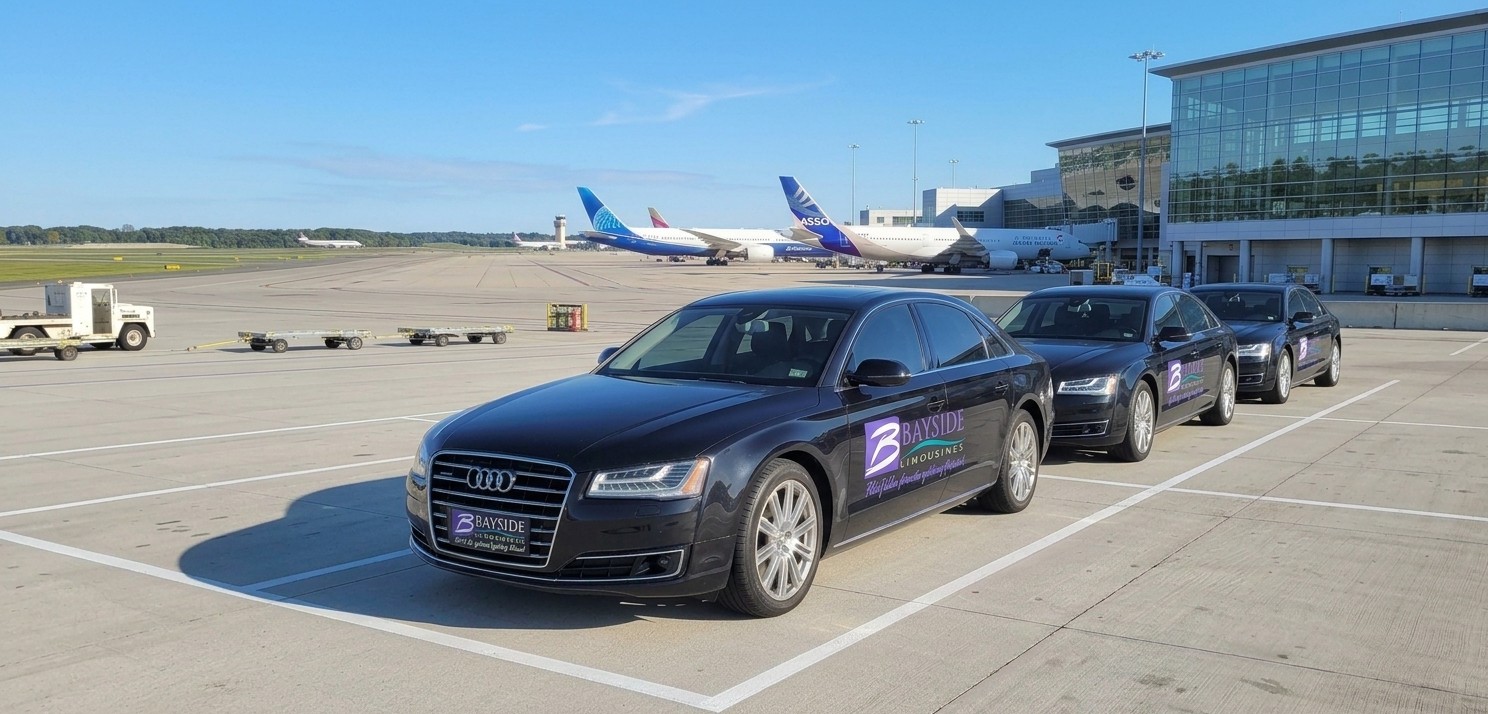
Bayside Limousines has been running fixed-rate airport transfers across the DMV for over 33 years. Dulles to Baltimore is a route we know — flight tracking included, fixed rate set before you land, driver ready when your flight actually arrives. We own every vehicle and employ every chauffeur directly. No brokers, no surprises.
Frequently Asked Questions
Distance and drive time cross-referenced across 8+ independent sources. Pricing presented as ranges — car service fares vary by provider and vehicle type. Confirm current MARC and Metro schedules before travel.