
Diwali Festival: The Smithsonian's National Museum of Asian Art celebrates Diwali with an Asia After Dark festival on Friday, November 6, 2026, from 5:00 to 9:00 PM — a free, after-hours evening of South Asian food, live sarod performance by Swarnendu, dance performances, curator-led tours, family crafts, and a dance party with DJ MAIYA. The museum is at 1050 Independence Avenue SW, Washington, DC 20004, on the National Mall. Advance registration on Eventbrite is recommended — this is one of the Smithsonian's most attended after-hours events of the year. The museum building itself is illuminated for the occasion, transforming the Freer Plaza and the National Mall into a genuinely atmospheric setting as November darkness falls during the 5 to 9 PM window. For groups from Baltimore, Annapolis, or the Maryland suburbs making the Friday evening DC trip, this guide covers every logistics detail.
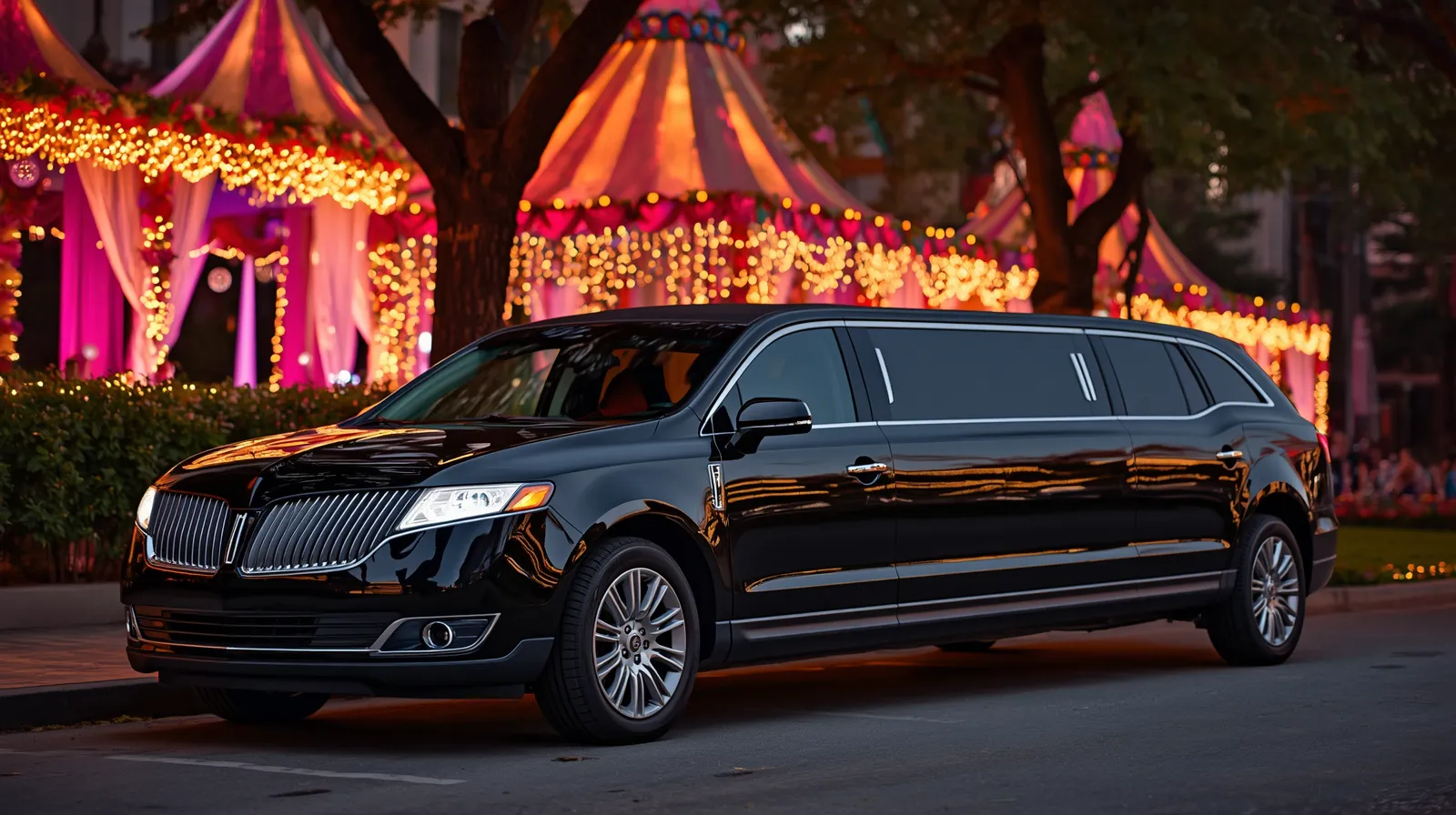
- Date: Friday, November 6, 2026 from 5:00 to 9:00 PM.
- Venue: National Museum of Asian Art, 1050 Independence Avenue SW, Washington, DC 20004.
- Admission: Free. Advance Eventbrite registration recommended.
- Best Metro: Smithsonian (Blue/Orange/Silver) — ~5-minute walk south to the museum.
- November timing: DC sunset is ~5:00 PM — arrive as the Diwali lighting begins.
- From Baltimore: ~40 miles, 55–65 minutes via I-95 South Friday evening.
Eventbrite RSVP
Friday Nov 6
Smithsonian Metro
to the museum
Event Details
| Detail | Info |
|---|---|
| Event | Asia After Dark: Diwali Festival |
| Date | Friday, November 6, 2026 — 5:00 to 9:00 PM |
| Venue | National Museum of Asian Art, 1050 Independence Ave SW, DC 20004 |
| Admission | Free — advance Eventbrite registration recommended |
| Highlights | Sarod by Swarnendu, DJ MAIYA, dance, South Asian food, curator tours, crafts |
What Diwali Is and Why the Smithsonian Celebrates It
Diwali — the Festival of Lights — is one of the most widely observed religious festivals in the world, celebrated by over a billion Hindus, Jains, Sikhs, and some Buddhists across India, South Asia, and South Asian diaspora communities globally. The festival marks the triumph of light over darkness, knowledge over ignorance, and good over evil. In the Hindu tradition, Diwali celebrates the return of the god Rama to Ayodhya after 14 years of exile and his victory over the demon king Ravana — the city lit rows of earthen lamps (diyas) to illuminate his homecoming, and that act of communal illumination became the festival's defining symbol. The goddess Lakshmi — associated with wealth, prosperity, and abundance — is honored throughout the five-day festival, with homes and businesses cleaned and lit to welcome her presence.
The Smithsonian's Asia After Dark Diwali celebration at the National Museum of Asian Art brings the festival's traditions into a museum context that amplifies both the cultural significance and the physical beauty of the occasion. The museum's South Asian art collections provide a visual backdrop for a celebration that connects directly to the artistic traditions those collections preserve — the sculpture, painting, textiles, and decorative arts that have expressed Diwali's spiritual and cultural themes across centuries. The after-hours format, the illuminated building exterior, and the combination of music, dance, food, and educational content create the Smithsonian's most fully realized cultural immersion event of the autumn season.
What to Expect: Music, Dance, Food, and Art
Music and Dance
Swarnendu performs the sarod — a traditional North Indian stringed instrument with a fretless fingerboard and deep, resonant tones that carry the full melodic and emotional range of classical Hindustani music. The sarod performance in the museum's auditorium connects directly to the Diwali tradition of music as an act of celebration and offering. Dance performances throughout the evening showcase South Asian dance traditions — classical forms including Bharatanatyam or Kathak are typical for Smithsonian Diwali programming. The evening culminates in a dance party with DJ MAIYA that transforms the museum's galleries from cultural institution to active celebration space. The Smithsonian newsdesk's Diwali 2026 announcement has the full program lineup and any updated performance schedule.
Food
South Asian food vendors serve within the museum for the after-hours event. Diwali food traditions include sweets (ladoo, barfi, gulab jamun), savory snacks (samosas, chaat), and festival-specific dishes from across South Asian culinary traditions. The food component of the Asia After Dark event is not an afterthought — eating together is a central act of Diwali celebration, and the museum's vendor selection reflects the breadth of South Asian cuisine rather than a single regional tradition.
Art and Education
Curator-led tours of the museum's South Asian art collections provide context for Diwali's cultural significance in visual art history — the iconography of Lakshmi, the representations of light and the divine in South Asian painting and sculpture, and the material culture of Diwali celebration across centuries. Spotlight talks by docents highlight specific works. Family-friendly crafts let children create Diwali-themed art — diyas, rangoli patterns, and decorative elements — to take home. The Eventbrite registration page for Asia After Dark Diwali has capacity information and the advance registration link.
The November Evening Timing
The 5:00 to 9:00 PM window is specifically well-designed for November. DC's sunset on November 6 is approximately 5:05 PM — arriving at Smithsonian Metro at 5:00 PM and walking south across the Mall to the museum means entering as the Diwali lighting begins in the darkening sky. The museum's illuminated exterior against the November evening sky and the National Mall's open sightlines create a visual approach to the building that the event organizers clearly intend: you arrive not just at a museum but at a lit destination in a darkening landscape, which is exactly how Diwali is meant to be experienced — light in the darkness, not brightness in full day.
The four-hour duration gives the group real time to move through the evening without rushing. Arriving at 5:00 PM for food and crafts, attending the sarod performance in the auditorium at 6:30 or 7:00 PM, and then moving to the DJ set and dance party at 7:30 through 9:00 PM is an evening with genuine internal rhythm — cultural education first, musical performance in the middle, communal celebration at the end. This is a well-structured event that rewards arriving at opening rather than halfway through.
Getting to the National Museum of Asian Art
Parking: The museum's access guidance recommends ParkWhiz for pre-booked parking near 1050 Independence Avenue. Street parking on Independence Avenue and the Mall is metered and limited on Friday evenings, particularly during a major Smithsonian after-hours event. Metro is the strongly recommended option — the Smithsonian station walk is short enough that there is no practical advantage to driving and parking over taking Metro from the closest station to your origin point.
Group Transportation for the Friday Diwali Evening
The 5:00 to 9:00 PM Friday timing creates a specific logistics situation for groups from outside DC. Arriving by 5:00 PM means leaving Baltimore by 3:30 to 4:00 PM to account for Friday I-95 South traffic — which means departing during the early ramp-up of the Friday afternoon rush. MARC Penn Line departing Penn Station at 3:30 or 4:00 PM provides a reliable 45-minute ride to Union Station with a straightforward Blue Line transfer to Smithsonian, avoiding the Friday I-95 variable entirely. For groups who want to make the Diwali evening a full Friday outing — dinner near the Mall before the 5:00 PM doors, the full four-hour event, and a post-event return — a party bus or private group vehicle from a central Baltimore or Maryland pickup point handles both legs at a fixed rate while the group focuses on the celebration.
For families with young children attending the crafts and food programming — the family-friendly components are concentrated in the 5:00 to 7:00 PM window before the DJ set — a pre-arranged shuttle service from a central suburb pickup point provides door-to-museum access without Metro navigation with children in the dark on a November Friday. For South Asian community groups making the Diwali event a planned community outing from Baltimore, Annapolis, or Howard County, a group vehicle that coordinates multiple pickup points across the suburbs covers a genuinely multi-origin group as a single organized arrival rather than a dispersed set of individual Metro and car trips. An airport car service from BWI for out-of-town visitors arriving specifically for the Smithsonian Diwali event covers the BWI-to-Mall arrival in approximately 30 minutes — significantly faster than MARC to Metro for visitors with luggage.
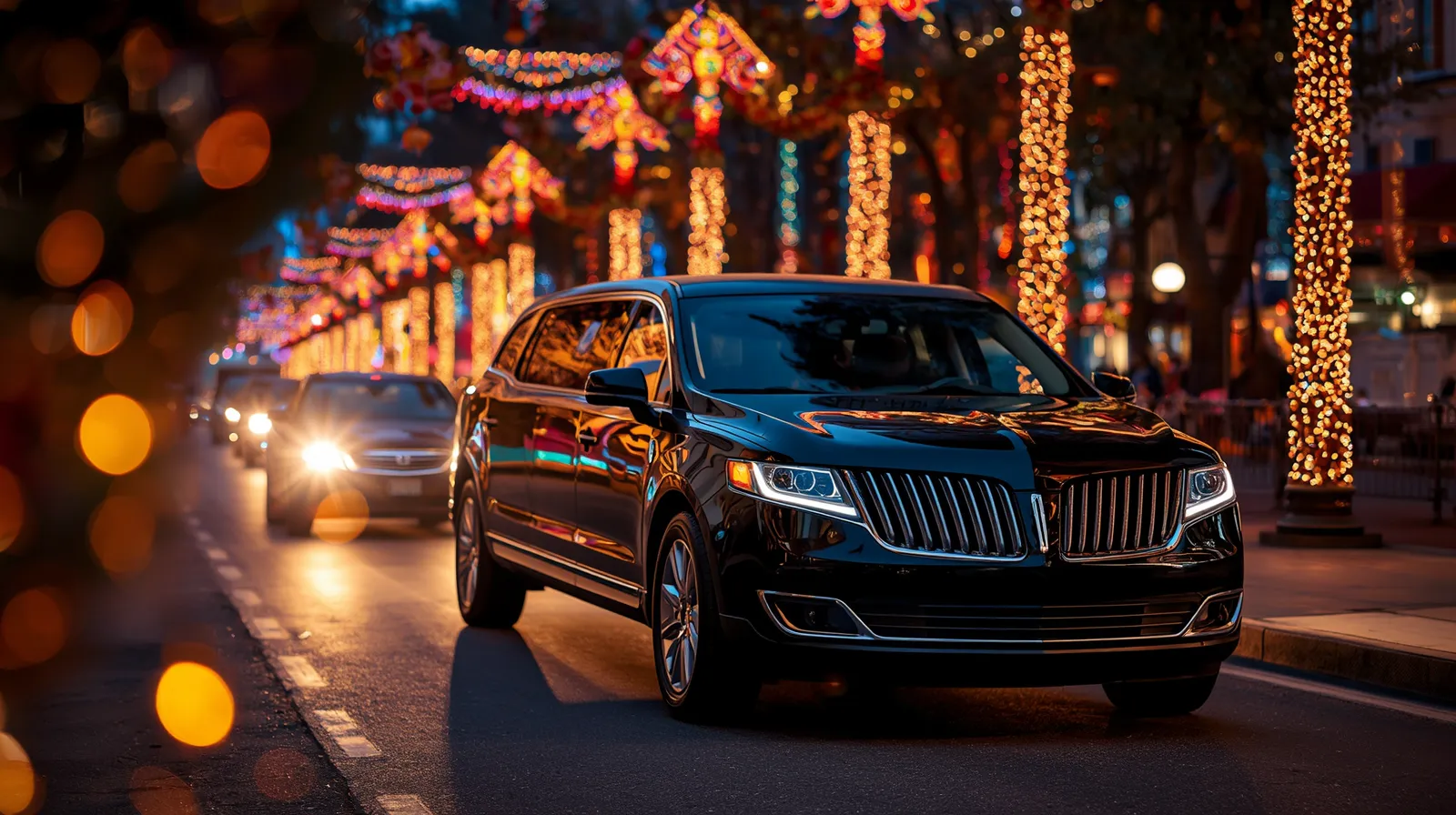
Transportation to the Smithsonian Diwali Festival
Bayside Limousines has served the Maryland, D.C., and Northern Virginia area for over 33 years. For Asia After Dark on November 6 — Friday afternoon I-95 from Baltimore, National Mall drop-off, and the 9 PM return — we handle both legs at a fixed rate. The festival of light deserves an evening free of parking and transit stress. We own every vehicle and employ every chauffeur directly.
Frequently Asked Questions
Event date, hours, and program details confirmed from Smithsonian newsdesk and Eventbrite listings. Confirm current registration availability at eventbrite.com before attending.