
Cove Point Winery operates from Lusby, Maryland, in Calvert County on the Western Shore of the Chesapeake Bay, about 60 miles south of Baltimore and 55 miles south of DC, established in 2004 as Southern Maryland's first winery. The winery produces boutique wines from locally sourced grapes, embracing the terroir of a region not historically associated with winemaking, and sits near the historic Cove Point Lighthouse, one of the oldest continuously operating lighthouses on the Chesapeake Bay. This guide covers the winery's pioneering role, the lighthouse connection, the drive from Baltimore, DC, and Annapolis, and how groups can enjoy a Southern Maryland wine day without a long drive home.
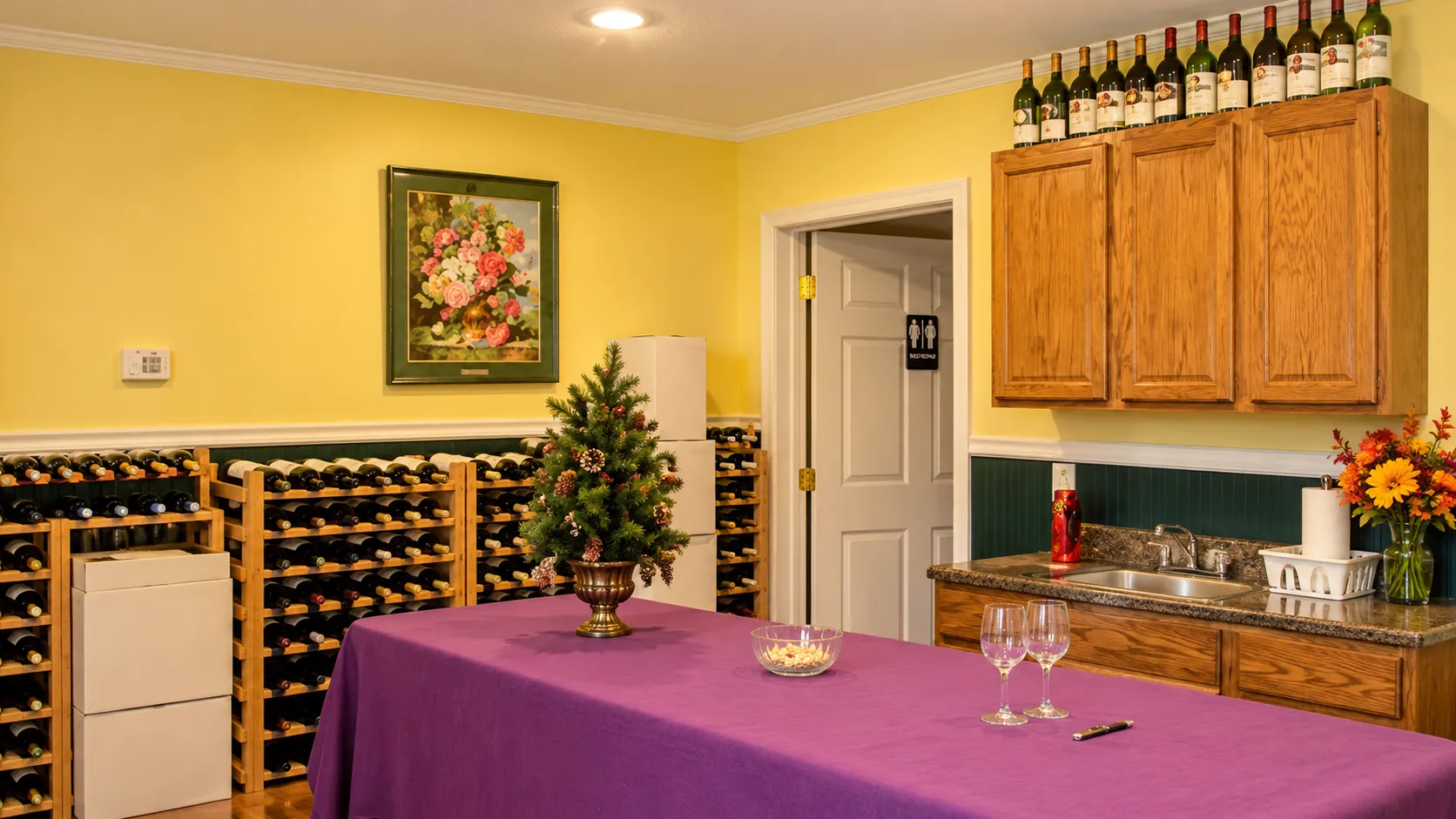
- Location: Lusby, Maryland — Calvert County, Chesapeake Bay Western Shore.
- Established: 2004 — Southern Maryland's first winery.
- Wines: Boutique production from locally sourced grapes.
- Landmark: Near Cove Point Lighthouse (1828).
- From DC: ~55 miles, 60–75 minutes.
- From Baltimore: ~60 miles, 70–85 minutes.
first winery
Lighthouse built
DC
Baltimore
Visitor Details
| Detail | Info |
|---|---|
| Location | Lusby, MD (Calvert County) |
| Established | 2004 — Southern Maryland's first winery |
| Production | Boutique, small-scale |
| Grapes | Locally sourced |
| Nearby | Cove Point Lighthouse (1828) |
What Makes Cove Point Different
Southern Maryland's Pioneer
When Cove Point opened in 2004, Southern Maryland had no wineries. The region's agricultural heritage was tobacco, not grapes. Cove Point proved that Calvert County's climate, soils, and growing conditions could support quality wine production, opening a door that other Southern Maryland producers have since followed through. That pioneering role gives the winery a significance beyond its size: it is part of the story of how Maryland wine spread beyond the Piedmont and into the Chesapeake's Western Shore. The winery's own site, covepointwinery.com, has current tasting room information.
The Lighthouse Connection
Cove Point Lighthouse, built in 1828, sits nearby, a historic landmark that provides the winery's name and its geographic identity. It is one of the oldest continuously operating lighthouses on the Chesapeake Bay, and for visitors combining wine tasting with a lighthouse visit, the pairing is uniquely Southern Maryland: maritime heritage and a modern agricultural story, a few minutes apart. Check ahead for lighthouse grounds access and hours, since conditions change with the season.
Boutique Production
Cove Point operates at a deliberately small scale, with boutique production that prioritizes quality and personal connection over volume. The tasting room experience reflects it: conversations with the winemaker, small-group attention, and wines that represent the specific character of Calvert County, made from locally sourced grapes. For visitors who enjoy discovering small producers, the wines are the point of the trip. The Maryland Wine profile of Cove Point Winery gives additional background for planning.
Terroir in a Region Without a Wine History
Calvert County sits on a narrow peninsula between the Chesapeake Bay and the Patuxent River, and the maritime influence shapes the growing environment. Bay breezes moderate temperature swings, soils vary from sandy loams to heavier clays, and the long, warm growing season supports a range of grapes. Winemaking here means working with fruit that reflects this place, including locally sourced grapes, rather than copying the styles of more established regions. For tasters, that creates a chance to try wines with a regional character that cannot be found elsewhere in Maryland, and to taste the early chapters of a wine region still finding its identity.
Getting to Cove Point
The winery is in Lusby, in Calvert County on the Western Shore of the Chesapeake Bay, about 60 miles south of Baltimore and 55 miles south of DC. The drive down MD-2 and MD-4 passes through rural Southern Maryland, with two-lane stretches, small towns, and limited services in the final miles. Confirm the address and hours before you go, and allow extra time on weekends, when traffic on the route can be heavy.
Why Groups Choose a Vehicle
Combine Cove Point with a holiday outing, such as Annmarie Garden in Lights in nearby Solomons, for a Southern Maryland destination day. A wine tour vehicle handles the rural Southern Maryland driving, and for groups of four to six, a private group vehicle solves the tasting-and-driving question on a 55-to-85-minute return trip. The drive back along two-lane roads after dark is not where anyone wants to be after a tasting, and it is a stretch of road where a professional driver provides real peace of mind.
Visitors starting in Annapolis can use a limo service in Annapolis to make the trip south, with a pickup at a hotel or home and a return to the same place. For couples, the combination of a winery, a lighthouse, and a Chesapeake sunset makes an easy romantic day, and for friends it makes an unusual weekend outing that does not require a long drive back to the city.
Planning a Cove Point Day
Make Cove Point the center of a longer Southern Maryland day. Start late morning with a tasting, take a walk near the lighthouse if it is open, and add lunch in Solomons or Prince Frederick before heading home. Because the region is rural, build the day around reservations and confirmed hours, since many small businesses keep seasonal schedules. Dress for the Bay, where wind and weather can change quickly, and bring layers. In winter, the days are short, so plan to be on the road before dark.
If you are visiting with a group, assign one person to confirm the tasting, and share the day's timeline with your driver, including the winery arrival time, any additional stops, and the preferred return. A short, clear plan makes the long drive easy, and it leaves room for the unplanned stops, such as a roadside stand or a view of the water, that make Southern Maryland days memorable.
Who Visits
Cove Point draws Calvert County residents, weekenders from Southern Maryland's waterfront communities, and visitors from DC and Baltimore who want a quiet wine outing without the Frederick County crowds. Couples find it a good date, friend groups enjoy the small scale, and history-minded visitors appreciate the lighthouse connection. Because the winery is small, a visit feels personal, and many guests leave with a bottle and a better sense of what Southern Maryland has become.
Seasons on the Western Shore
Calvert County changes with the seasons, and a winery visit is a good way to experience them. Spring brings fresh green along the roadsides and the first warm days on the Bay. Summer draws boaters, beachgoers, and weekend visitors, and the region's waterfront towns are at their liveliest. Autumn is often the best time for a visit, with cooler air, clear light, and harvest season for local grapes. Winter is quiet, with a stillness along the Bay that some visitors prefer, and holiday lights, such as those at nearby Solomons, add a seasonal draw. Plan your visit around the weather and your own taste for crowds, and confirm that the winery is open before you leave.
Because Cove Point is a small winery, its schedule may differ from larger destinations, so call or check the website for current hours, tasting formats, and group policies. A quick confirmation avoids a wasted drive, and it lets you ask whether the winemaker will be on-site, which can make the visit much richer.
Building a Southern Maryland Day Trip
A Southern Maryland day trip works best when it combines a few distinct experiences. Start with a late-morning tasting at Cove Point, then head to a nearby waterfront restaurant for lunch, where the local specialties include crab and oysters. In the afternoon, visit the lighthouse area or walk a Chesapeake beach, and finish with an early dinner before the drive home. For visitors from Annapolis, the trip south on MD-2 offers a view of Calvert County's farmland and tidal creeks; for visitors from DC, MD-4 provides a steady route through Prince George's and Calvert Counties. Whichever way you travel, a driver lets the group enjoy the scenery and the stops without worrying about the road.
Winter and holiday visits can be paired with seasonal events, and the region's calendar fills with festivals and light displays. A group that wants to see more than one thing in a day should plan transportation in advance, since distances in Southern Maryland are longer than they look on a map and services thin out after dark.
Why Small Wineries Are Worth the Trip
A boutique winery offers things a larger one cannot: direct conversation with the person who makes the wine, a tasting room with no crowd, and bottles that are not widely available. At Cove Point, those advantages are heightened by the region's lack of a wine tradition, which makes each wine a small experiment in what Calvert County can produce. Visitors who value discovery over polish often prefer the experience, and they tend to leave with bottles they cannot find at home. For a group of friends, the intimate setting encourages conversation, and the small scale means the visit can be completed in an afternoon without a long commitment.
As you plan, remember that small wineries benefit from advance notice, especially for groups of four or more. A short call to the winery helps staff prepare a seat and a tasting, and it signals that your group is interested in more than a quick stop. With the winery informed and a driver arranged, the group can look forward to an easy, personal afternoon on the Bay.
Wine Tour Transportation to Cove Point Winery
Bayside Limousines has served the Maryland, D.C., and Northern Virginia area for over 33 years. For a Cove Point afternoon — the tasting room, the lighthouse, and a Southern Maryland sunset — we handle the long rural drive from Baltimore, DC, or Annapolis, so everyone tastes and nobody drives home in the dark. Fixed rate, your schedule. We own every vehicle and employ every chauffeur directly.
Frequently Asked Questions
Winery details confirmed from Cove Point Winery and Maryland Wine listings. Confirm the current address, hours, and tasting policies before visiting.