
The best way to get around Washington DC in 2026 is Metrorail for longer distances between neighborhoods, paired with walking or Capital Bikeshare for covering ground within the National Mall itself. No single mode does both jobs well. Metrorail runs six lines to 98 stations with fares between $2.25 and $6.75 depending on time of day, while the National Mall's monuments sit far enough apart that a bikeshare or a short rideshare beats walking the full stretch in D.C. summer heat. One thing that trips up a lot of visitors: the free DC Circulator that used to loop the Mall stopped running for good on December 31, 2024 — any guide still recommending it is out of date.
- Metrorail: Six lines, 98 stations, $2.25–$6.75 per trip — fastest for longer crosstown distances.
- DC Circulator is gone: Shut down permanently December 31, 2024. WMATA's Better Bus Network absorbed its routes from July 2025.
- Georgetown has no Metro: Metrobus D80 (to Union Station) and D6 (to Dupont Circle) are the car-free routes in and out.
- Capital Bikeshare: 4,300+ bikes at 500+ stations — best for covering the Mall once Metro gets you there.
- Rideshare: Convenient but demand-priced — spikes during events, rush hour, and bad weather.
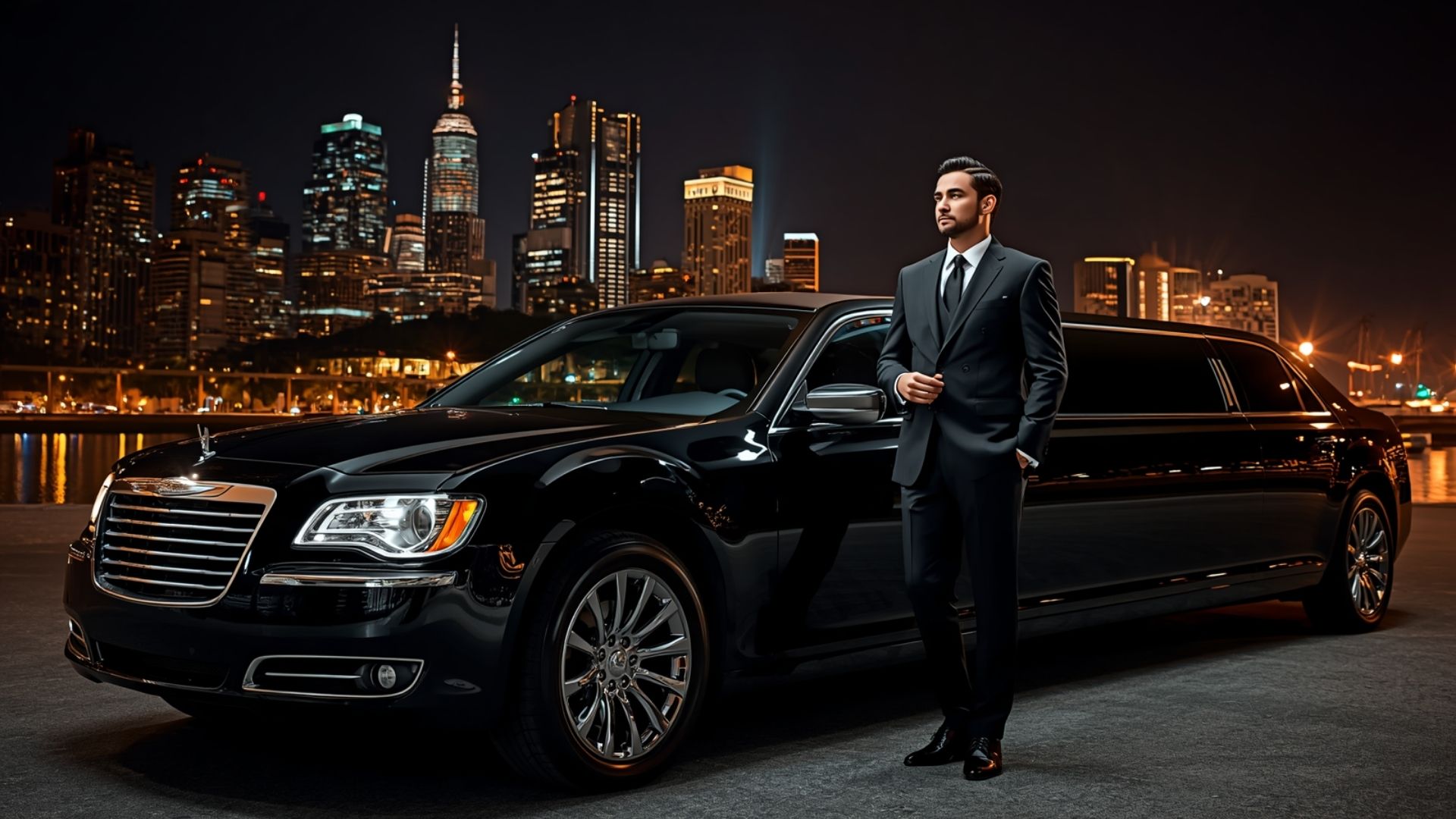
- Private car service: Fixed rate, no surge — best for groups, luggage, and any trip with a non-negotiable arrival time.
across DC, MD & VA
with SmarTrip card
docking stations
permanent shutdown
Metro (Metrorail): The Backbone of Getting Around DC
Metrorail is Washington's rapid transit system, run by the Washington Metropolitan Area Transit Authority (WMATA), covering six color-coded lines — Red, Blue, Orange, Silver, Green, and Yellow — across 98 stations in D.C., Maryland, and Virginia. It's the fastest way to move between distant neighborhoods: downtown to Dupont Circle, Capitol Hill to Georgetown's edge, or straight out to Dulles Airport via the Silver Line.
Fares run $2.25 to $6.75 per trip depending on distance and time of day — rush hour (weekdays 5–9:30 AM and 3–7 PM) costs more than off-peak travel. A SmarTrip card or the SmarTrip mobile app is required; cash isn't accepted at Metrorail faregates. One caveat worth knowing before you plan a trip: Georgetown has no Metro station and never will, a result of historic preservation restrictions dating back to the system's original construction.
Metrobus: The System That Absorbed the Circulator
Metrobus is WMATA's regional bus network, and as of 2026 it's doing double duty covering routes the old DC Circulator used to run. When the Circulator shut down permanently on December 31, 2024, after 19 years of service, WMATA rolled out route adjustments to fill the gaps, with the full changes finalized under the Better Bus Network redesign launched in July 2025.
The route that matters most for visitors: the D80 (formerly Route 33) now connects Georgetown to Union Station along Wisconsin Avenue and K Street NW — since Georgetown has no Metro stop of its own, this is the practical way in and out without a car. The D6 connects Georgetown to the Dupont Circle Metro station along Pennsylvania Avenue NW. Metrobus fare is a flat $2.25 per ride with a SmarTrip card, and transfers from Metrorail get a 50-cent discount.
Capital Bikeshare: Best for Covering the Mall Itself
Metro gets you to the National Mall; Capital Bikeshare is how you get around it once you're there. The distance between the Washington Monument, the Lincoln Memorial, and the World War II Memorial adds up to several miles on foot — manageable, but not pleasant in July humidity.
Capital Bikeshare runs over 4,300 bikes across 500+ stations in D.C., Maryland, and Virginia, with e-bikes available at most docks. A single ride costs around $1 for the first 30–45 minutes depending on plan, and a 24-hour day pass runs about $8–$10 with unlimited short rides. No helmets are provided at the docks, so bring your own if that matters to you.

Rideshare and Taxis: Fastest for Point-to-Point, Priced Accordingly
Uber and Lyft operate throughout the district, and licensed DC taxis (metered, yellow or red) are a legitimate backup — just avoid unofficial drivers soliciting rides near tourist sites, a known scam around the Mall and major hotels. Rideshare pricing in DC fluctuates with demand, so a $12 ride at 2 PM can become a $30 ride during a Friday evening downpour or after a Capital One Arena event lets out.
Both Uber and Lyft offer wheelchair-accessible vehicle (WAV) options in the DC region, and licensed taxis can be reserved with accessible vans as well, though wait times run longer for either.
Private Car Service: Best for Groups, Luggage, and Predictable Pricing
A pre-booked private car or sedan service solves the one problem rideshare pricing doesn't: certainty. If you're moving a family with luggage from a hotel to Union Station, coordinating a full day of meetings across multiple Capitol Hill buildings, or need a guaranteed pickup time before an early flight, a fixed-rate private car service removes the surge-pricing gamble entirely.
This matters most in three situations: groups of four or more where splitting multiple rideshares costs more than one larger vehicle, evenings when major events at Capital One Arena or Nationals Park spike rideshare demand across downtown simultaneously, and any trip where a specific arrival time is non-negotiable. For airport transfers to DCA, IAD, or BWI, a pre-booked fixed-rate car removes the one variable a tight flight schedule can't afford — an unpredictable pickup.
Which Option Is Best for You?
Every option below covers the same city, but the right choice depends on group size, luggage, timing, and budget.
| Situation | Best Option | Why |
|---|---|---|
| Crossing the city, longer distance | Metrorail | Fastest for distance, fixed off-peak/peak pricing |
| Covering the National Mall itself | Capital Bikeshare or walking | Monuments spread over several miles |
| Georgetown (no Metro station) | Metrobus D80 or D6 | Direct connections to Union Station / Dupont Circle |
| Quick solo trip, unpredictable timing | Uber / Lyft | Fast, flexible, but priced by demand |
| Groups, luggage, guaranteed timing | 🟡 Private car service | Fixed rate, no surge, scheduled pickup |
| Airport transfer (IAD, DCA, BWI) | Private car or Metro Silver Line (IAD/DCA) | Depends on luggage and timing needs |
Travel Tips for Getting Around DC
-
Get a SmarTrip card immediately. It works across Metrorail, Metrobus, and connects to MARC and VRE commuter rail — cash fares cost more everywhere they're accepted at all.
-
Avoid rush hour if your schedule allows. Weekday Metrorail trips before 9:30 AM and after 3 PM cost more and run more crowded — off-peak fares are both cheaper and considerably less packed.
-
Don't assume the Circulator still runs. Several older guides online still list it as an option. It ended permanently on December 31, 2024 — the free Mall loop bus no longer exists.
-
Plan around event nights downtown. Capital One Arena, Nationals Park, and other major venues create predictable rideshare surge windows right after events let out. Book a private car in advance or expect to wait out the crowd.
| Traveling between neighborhoods or to the airport | Metrorail — fastest and most predictable for distance, SmarTrip required. |
| Getting to or around Georgetown | Metrobus D80 (Union Station) or D6 (Dupont Circle) — no Metro stop exists here. |
| Exploring the National Mall | Capital Bikeshare — covers monument-to-monument distances faster than walking in summer heat. |
| Solo trip, flexible timing, no luggage | Rideshare (Uber/Lyft) — convenient, but expect surge pricing during events or rush hour. |
| Group of 4+, heavy luggage, or fixed arrival time | Pre-booked private car — fixed rate, no surge, driver tracks your schedule. Call: (410) 451-0000 |
Professional Group Transportation Across the DMV
Bayside Limousines has served the Maryland, D.C., and Northern Virginia area for over 33 years. Whether it's an airport transfer to DCA, a group pickup after a Capital One Arena event, or a corporate run across the district, we own every vehicle and employ every chauffeur directly — fixed rates, no surge, no brokers.
Frequently Asked Questions
Confirmed the DC Circulator's permanent shutdown remains in effect — WMATA's Better Bus Network absorbed former Circulator routes starting July 2025. Current Metrorail fares ($2.25–$6.75) verified as of July 22, 2026.