
Linganore Winecellars sits on 230 acres at 13601 Glissans Mill Road, Mount Airy, MD 21771 — in the rolling countryside of Frederick County, about 40 miles northwest of Baltimore and 50 miles north of Washington, DC, operating as one of Maryland's oldest continuously operating wineries since 1971. Founded by Jack and Lucille Aellen, Linganore helped pioneer Maryland's modern wine industry alongside Boordy Vineyards and became one of the first wineries in the state to use festivals as a marketing and community-building tool — establishing the winery-as-destination model that shaped how Maryland wine country developed. The 230-acre property, the historic barn tasting room, and the Frederick County countryside combine to make Linganore one of the most complete winery visits available within an hour of Baltimore or DC.
- Address: 13601 Glissans Mill Road, Mount Airy, MD 21771 (Frederick County).
- Founded: 1971 by Jack and Lucille Aellen.
- Property: 230 acres — one of Maryland's largest winery properties.
- From Baltimore: ~40 miles, 45–55 minutes via I-70 West.
- From DC: ~50 miles, 55–70 minutes via I-270 North to I-70 West.
- Festivals: Linganore pioneered winery festivals in Maryland — check events calendar before visiting.
Jack & Lucille Aellen
Maryland's largest
via I-70
DC via I-270
Visitor Details
| Detail | Info |
|---|---|
| Address | 13601 Glissans Mill Road, Mount Airy, MD 21771 |
| Founded | 1971 by Jack and Lucille Aellen |
| Property | 230 acres of vineyard, open fields, and forested hillsides |
| Wines | Dry reds, crisp whites, semi-sweet, fruit wines — estate and partner vineyards |
| Tasting room | Historic barn on the property |
The Aellen Legacy and Maryland Wine's Pioneer Era
Jack Aellen planted his first vines in 1971 on the Mount Airy farmland, drawn by the same impulse that drove Philip Wagner at Boordy two decades earlier — the belief that Maryland's climate and soil could produce serious wine if the right varieties and farming practices were applied. The 1970s were the founding era of Maryland's commercial wine industry: Boordy had been operating since 1945, but the wave of new wineries that established Maryland's wine trail as a destination emerged in the decade following the passage of the Maryland Limited Winery Act of 1976, which created the regulatory framework that made small-scale commercial winemaking viable. Linganore was one of the first to benefit from this framework, and the Aellen family's combination of farming knowledge, entrepreneurial ambition, and willingness to invest in 230 acres of Frederick County land gave it a scale from the beginning that most Maryland wineries have never approached.
The winery's evolution through the Aellen era and subsequent ownership has maintained the vision of a large-property destination rather than a boutique tasting room — programming festivals, hosting events, and treating the 230-acre campus as an asset to be activated rather than a backdrop for bottle sales. The Linganore Winecellars official website has current tasting room hours, event calendar, and wine releases for the current season.
What Makes Linganore Different
230 Acres of Frederick County Countryside
Most Maryland wineries operate on 10 to 50 acres. Linganore's 230-acre property gives it a scale that allows the visitor experience to extend across the landscape in a way that smaller properties can't support — vineyard rows, open fields, forested hillsides, a pond, and the pastoral Frederick County countryside that makes the drive from Baltimore or DC feel like a genuine escape from the metropolitan corridor. The visual experience of Linganore begins before you reach the tasting room: the approach along Glissans Mill Road through rolling farmland sets the atmosphere that the barn and the wines fulfill.
The Historic Barn and Festival Heritage
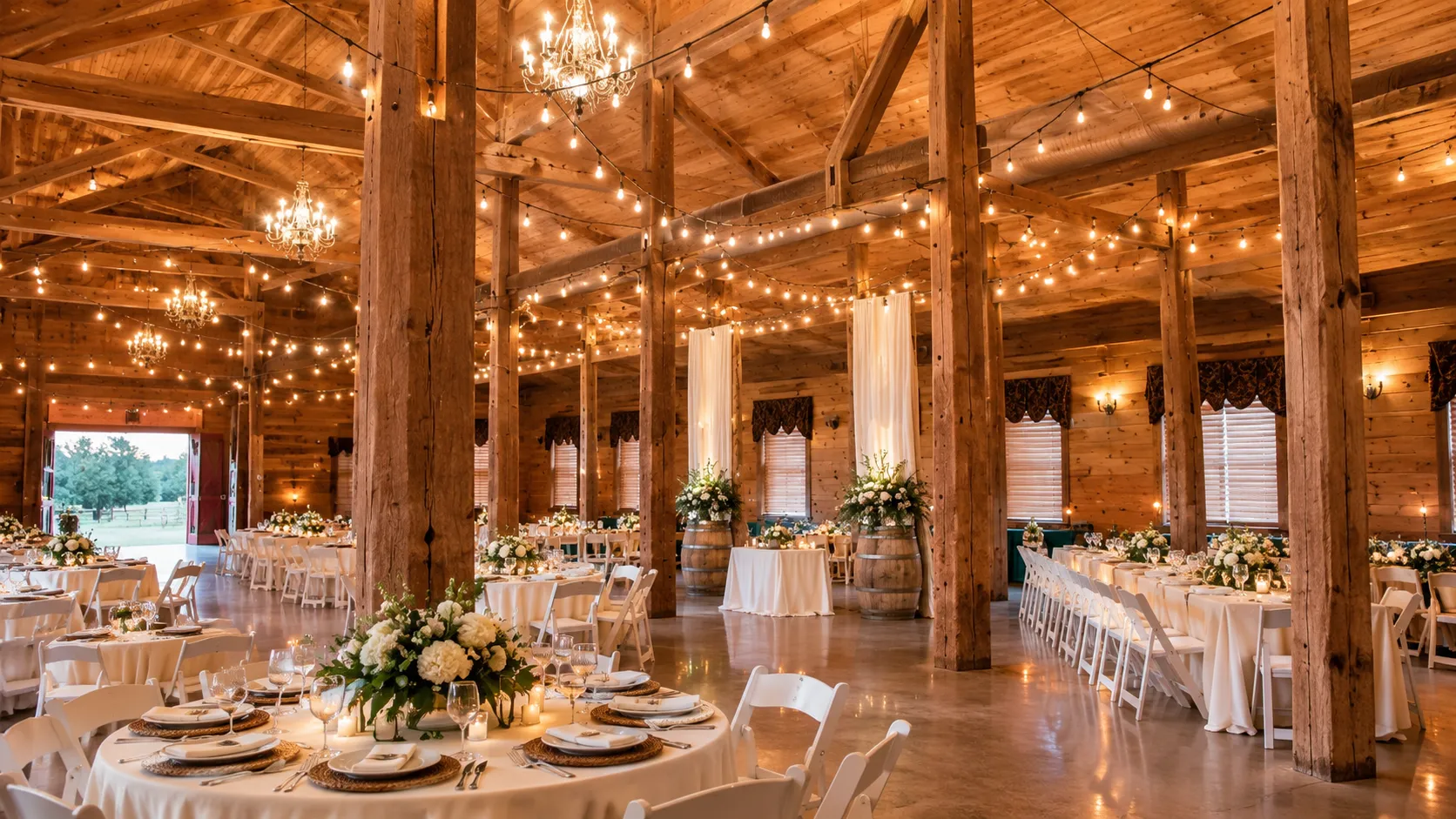
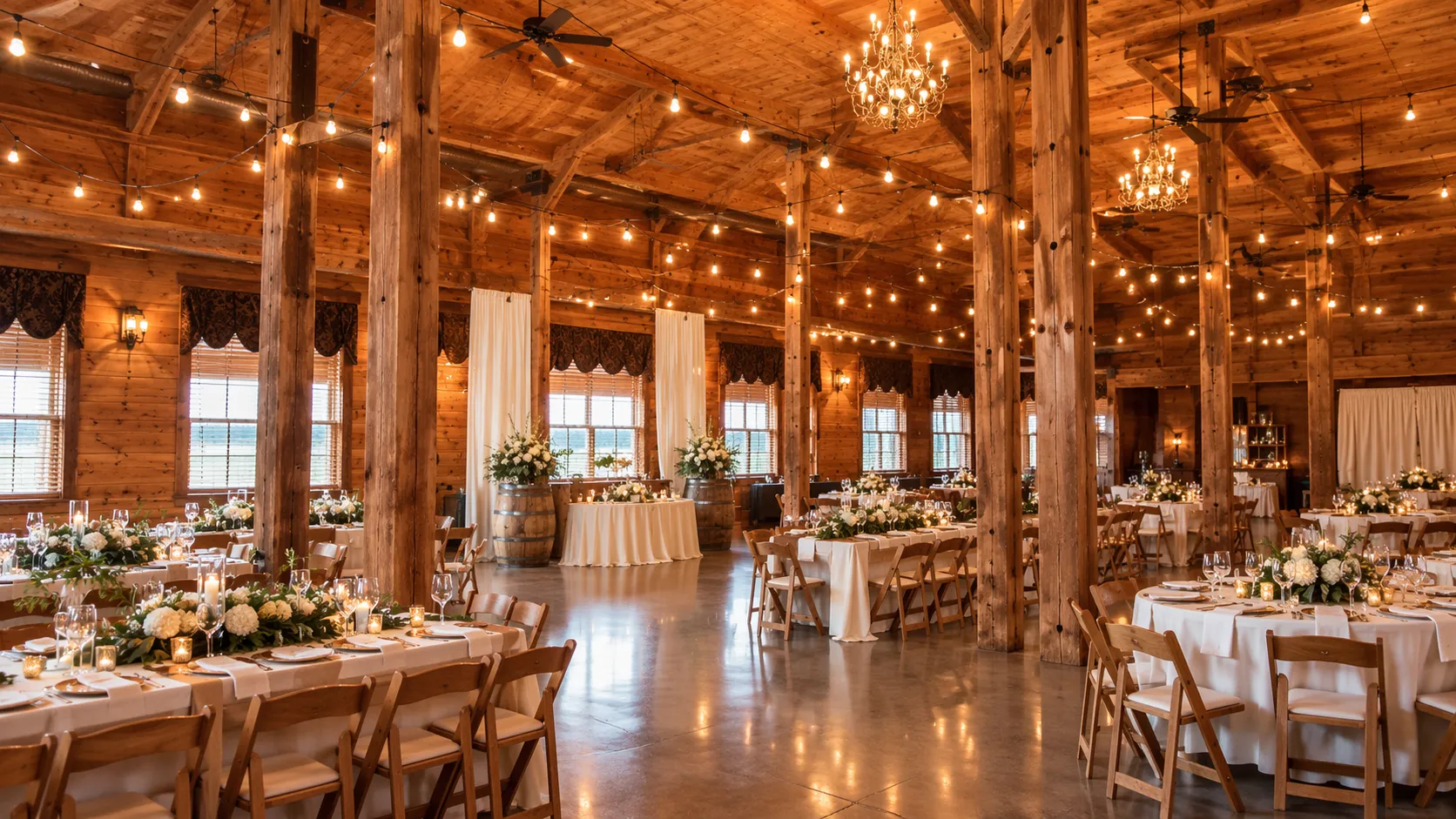
The tasting room occupies the property's historic barn — a structure that, like Boordy's fieldstone barn, connects the winery to the agricultural heritage of its county and provides a character that purpose-built modern facilities can't replicate. Linganore's barn has hosted thousands of events since the winery began programming festivals in the 1970s and 1980s — the accumulated history of those events is embedded in the building in the way that only genuine use over decades can achieve. Linganore was among the first Maryland wineries to use outdoor festivals as a marketing and community-building tool: wine festivals on the 230-acre property drew visitors who might never have sought out a winery but were attracted by live music, food trucks, and the countryside setting. This model — winery as destination rather than just tasting room — influenced how the entire Maryland wine trail developed and positioned the state's wine country as a day-trip and weekend-trip destination rather than a retail category.
The Wines
Linganore produces wines from estate-grown grapes and partner Maryland vineyard sites, with a portfolio deliberately broad enough to serve visitors across the full taste spectrum — dry reds, crisp whites, semi-sweet options, and fruit wines that extend the accessible range beyond strictly vinifera or hybrid wine styles. The breadth is both a commercial decision and a philosophical one: a winery that hosts festivals wants to pour something for every visitor, and Linganore's range ensures that the group of eight who arrive for a Saturday festival includes neither a sommelier who can find nothing serious to drink nor a casual visitor overwhelmed by dry tannic reds. The Maryland Wine profile of Linganore Winecellars documents the current portfolio alongside the winery's position in the Frederick County wine corridor.
Getting to Linganore
The Wine-Country Vehicle
Linganore sits at the center of the Frederick County wine corridor — within striking distance of Elk Run Vineyards, Deep Creek Cellars, and other Frederick County producers. A day of tasting across multiple stops creates the designated-driver problem that every wine outing faces, amplified by the 40-to-70-minute drive from Baltimore or DC that precedes and follows the winery visits. A Maryland wine tour vehicle from Baltimore or DC handles both the I-70 or I-270 countryside drive and the winery-to-winery movement while the group anticipates the first pour and discusses the last. For groups of four to eight making a full Saturday of Frederick County wine country, the vehicle connects Linganore to neighboring producers, lunch at a Mount Airy or Libertytown restaurant, and the return trip — everyone tastes, nobody navigates Glissans Mill Road in the dark on the way home. For out-of-town wine visitors arriving via BWI or Reagan National for a Maryland wine weekend, an airport car service to the Linganore area covers the approximately 45-to-50-minute airport-to-winery run without rental-car navigation of the rural Frederick County roads that connect the I-70 corridor to Glissans Mill Road.
The Frederick County Wine Corridor
Linganore sits in the middle of one of Maryland's most established wine corridors. Frederick County's combination of varied terrain, diverse soils, and a temperature range that extends the growing season slightly beyond Baltimore County's microclimate has attracted a cluster of wineries that collectively make a day of Frederick County wine tasting one of the most complete wine-country experiences available within 50 miles of Baltimore or DC. Elk Run Vineyards in Mount Airy, Deep Creek Cellars, and a growing number of Frederick County producers line the rural roads between I-70 and the Catoctin Mountain foothills. Linganore's position near the corridor's eastern end makes it accessible both as a standalone destination and as the first stop on a westward progression through the county's wine country. The 230-acre property's festival infrastructure also means that visiting during a festival weekend — with live music, food vendors, and crowds of visitors adding energy to the tasting room experience — produces a qualitatively different afternoon than a quiet midweek tasting visit. Both have their appeal, and knowing which kind of visit you want before arriving shapes the planning accordingly.
The Frederick County wine corridor's accessibility from DC via I-270 has made it one of the primary Maryland wine destinations for the Northern Virginia and Montgomery County wine audience — the I-270 North drive from Bethesda or Rockville to Linganore covers approximately 45 miles in 50 to 60 minutes, passing through Montgomery County's Clarksburg and Damascus farm country before entering Frederick County's more dramatically rural landscape north of I-70. For DC-area wine tourists who have explored the Northern Virginia wine trail options closest to the capital, Frederick County offers the next accessible tier of mid-Atlantic wine country with a different terroir, a different historical narrative, and the specific character that a 1971-founded winery on 230 acres of Frederick County farmland provides — a character rooted in the specific place rather than in the broader wine-tourism infrastructure that has grown up around the Virginia wine trail over the past two decades.
Frederick County Wine Tour: Linganore Winecellars
Bayside Limousines has served the Maryland, D.C., and Northern Virginia area for over 33 years. For a Linganore Winecellars afternoon — 230 acres of Frederick County countryside, the historic barn, and the I-70 or I-270 drive from Baltimore or DC — we handle the driving so everyone tastes and nobody watches the road. Fixed rate, your schedule. We own every vehicle and employ every chauffeur directly.
Frequently Asked Questions
Winery details confirmed from Linganore Winecellars official site and Maryland Wine listings. Confirm current tasting room hours and festival schedule at linganorewines.com before visiting.